Features & Perspectives
Long-form analysis on geopolitics, media framing, policy tradeoffs, and social impact.

Adhan and Iqama Explained: Meaning, Words and Prayer Times
Understand the adhan and iqama, common Arabic phrases, the dawn addition, and why mosque timetables separate prayer beginnings from congregational starts.

People and Animals in Islamic Art: What Museum Objects Show
Museum objects show people and animals in Islamic art. Explore literary bowls, modeled figures and changing uses, with context for religious settings.

Prayer Rugs Explained: Purpose, Direction and Designs
Do Muslims need a prayer rug? Learn how prayer mats are used, which way they face, and what museum objects reveal about arches, materials and designs.
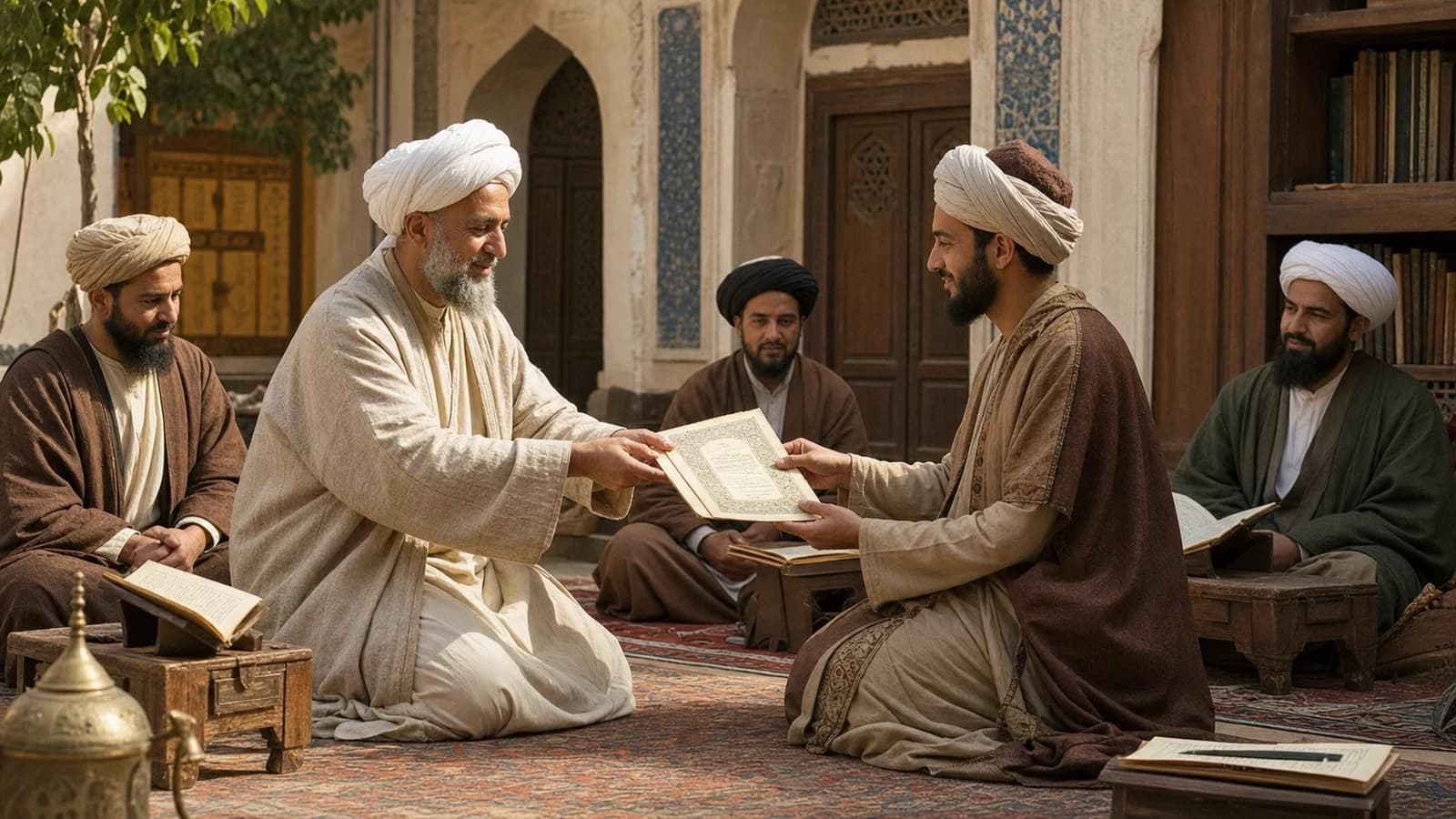
What an Ijaza Actually Authorized in Islamic Education
What an ijaza meant, who granted it, what it authorized, how isnad and manuscripts recorded it, and why it was not one standardized university degree.
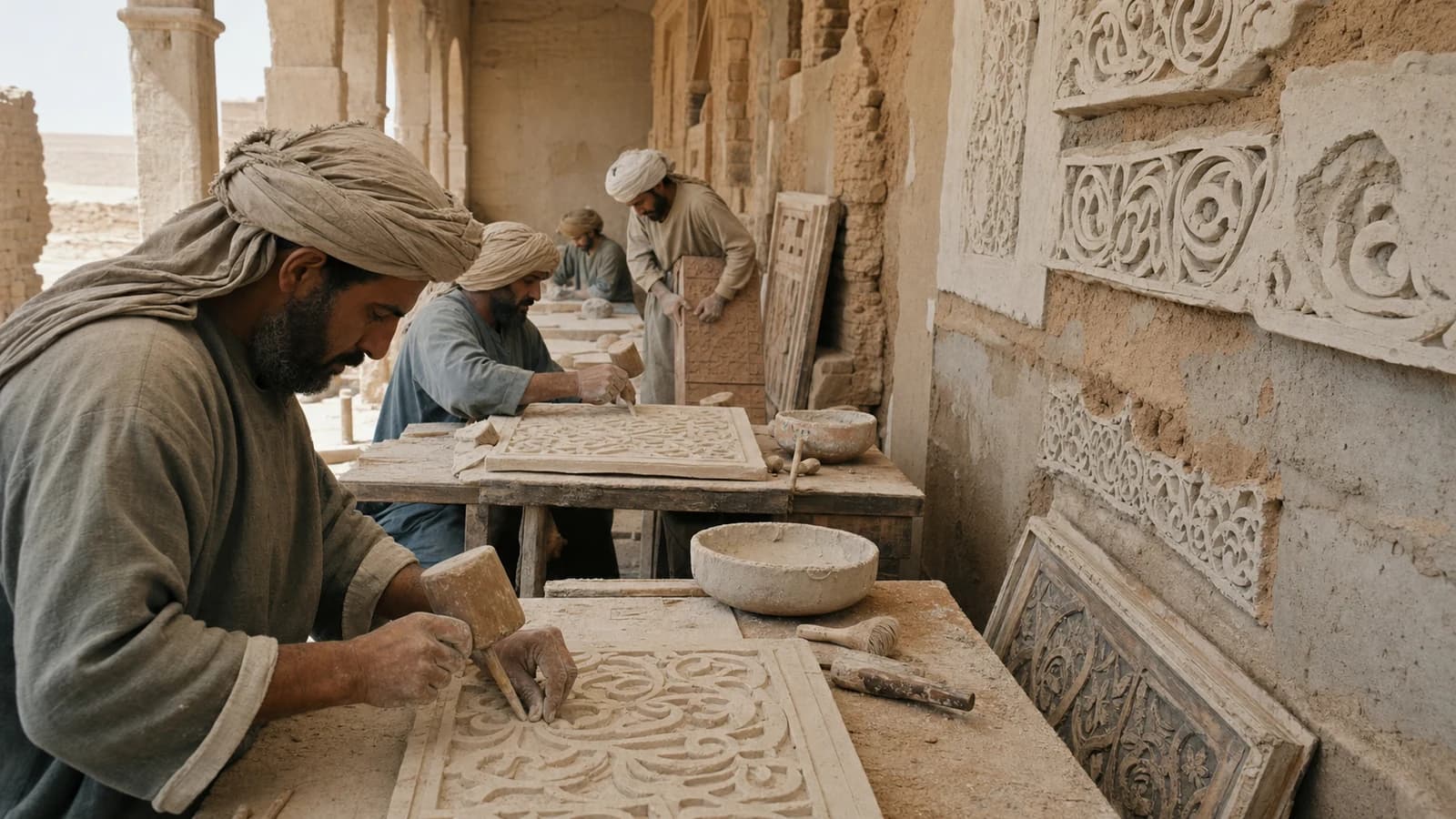
How Samarra Stucco Became an Abbasid Design Language
A source-critical guide to Samarra stucco, Styles A, B and C, beveled carving, molded repetition, Abbasid architecture, archaeological labels and wider influence.
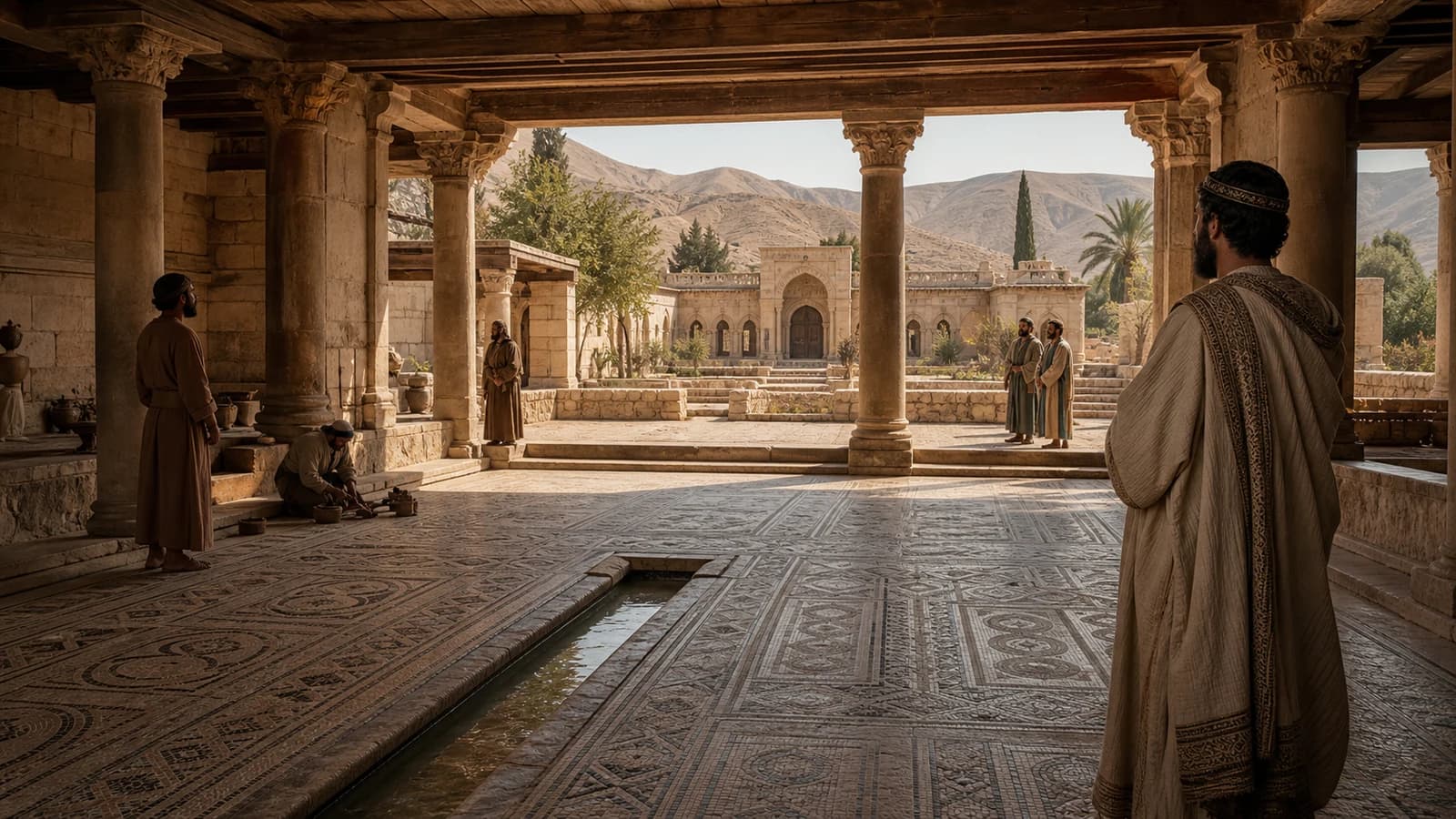
What Khirbat al-Mafjar Reveals About Umayyad Courtly Art
A source-led guide to Khirbat al-Mafjar near Jericho, its disputed patronage, palace and bath complex, great mosaic, Tree of Life, stucco figures, excavation history and conservation.
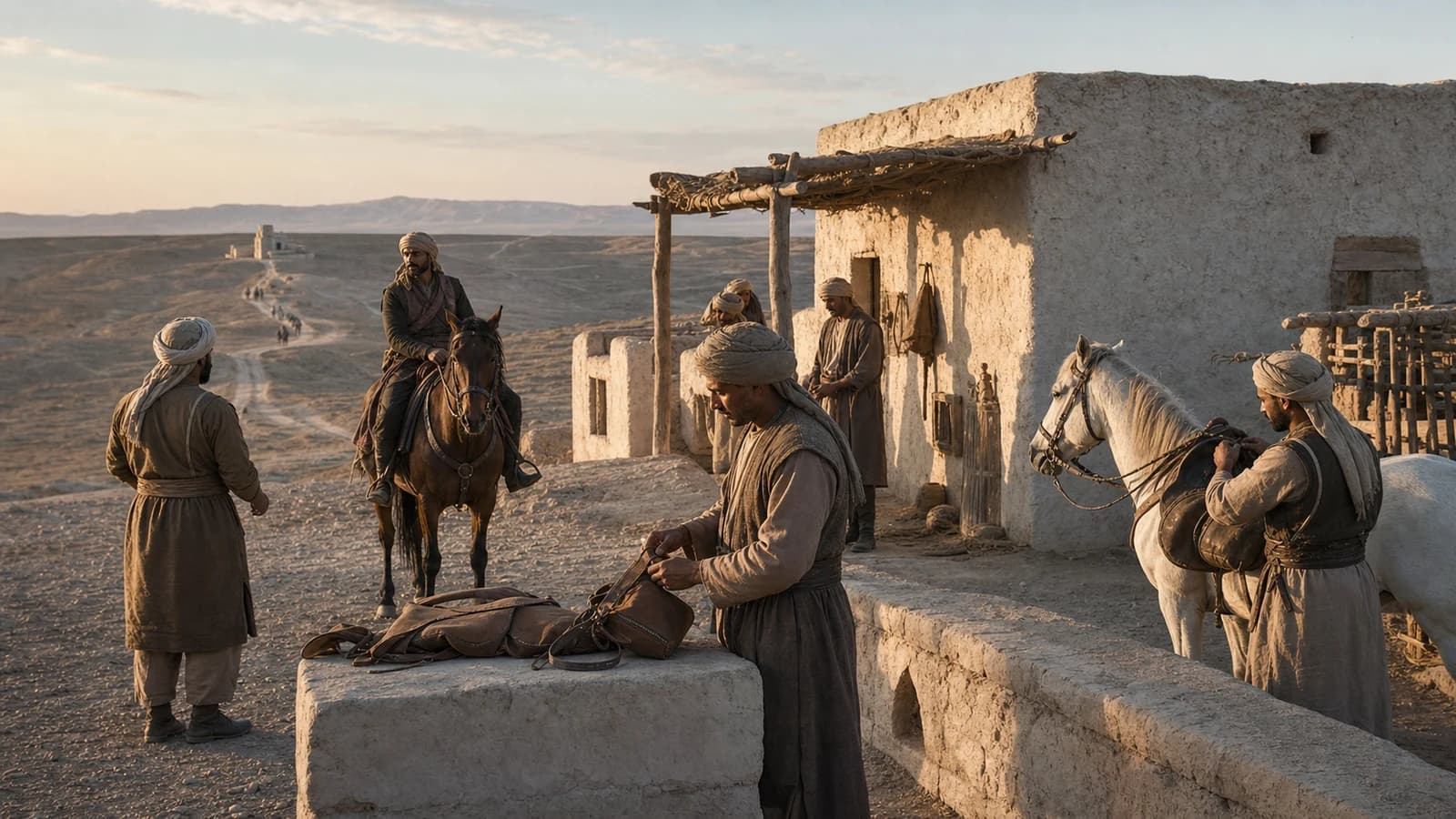
Barid: The Postal and Intelligence Network of the Caliphates
How relay routes moved official messages and reports across early Islamic states, what stations required, and why the barid was not a public post office.
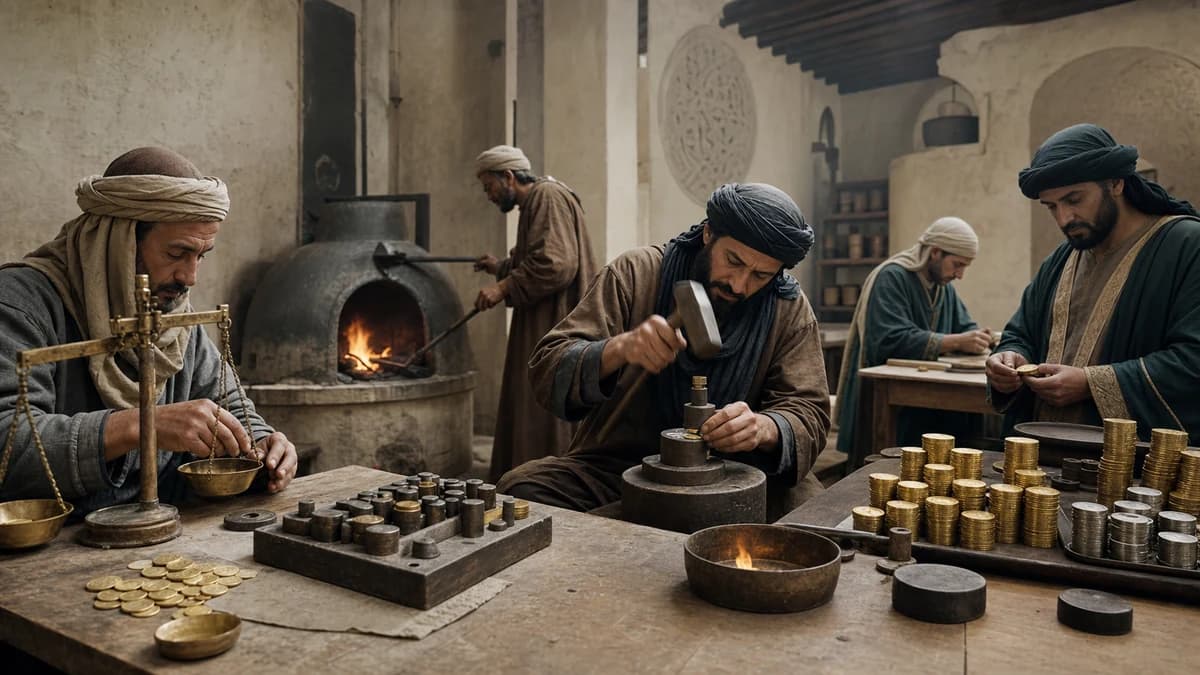
Islamic Dinar and Dirham Reform: When Coins Became Text
How Abd al-Malik’s late seventh-century reform replaced imperial portraits with Arabic inscriptions and created recognizable gold dinars and silver dirhams.
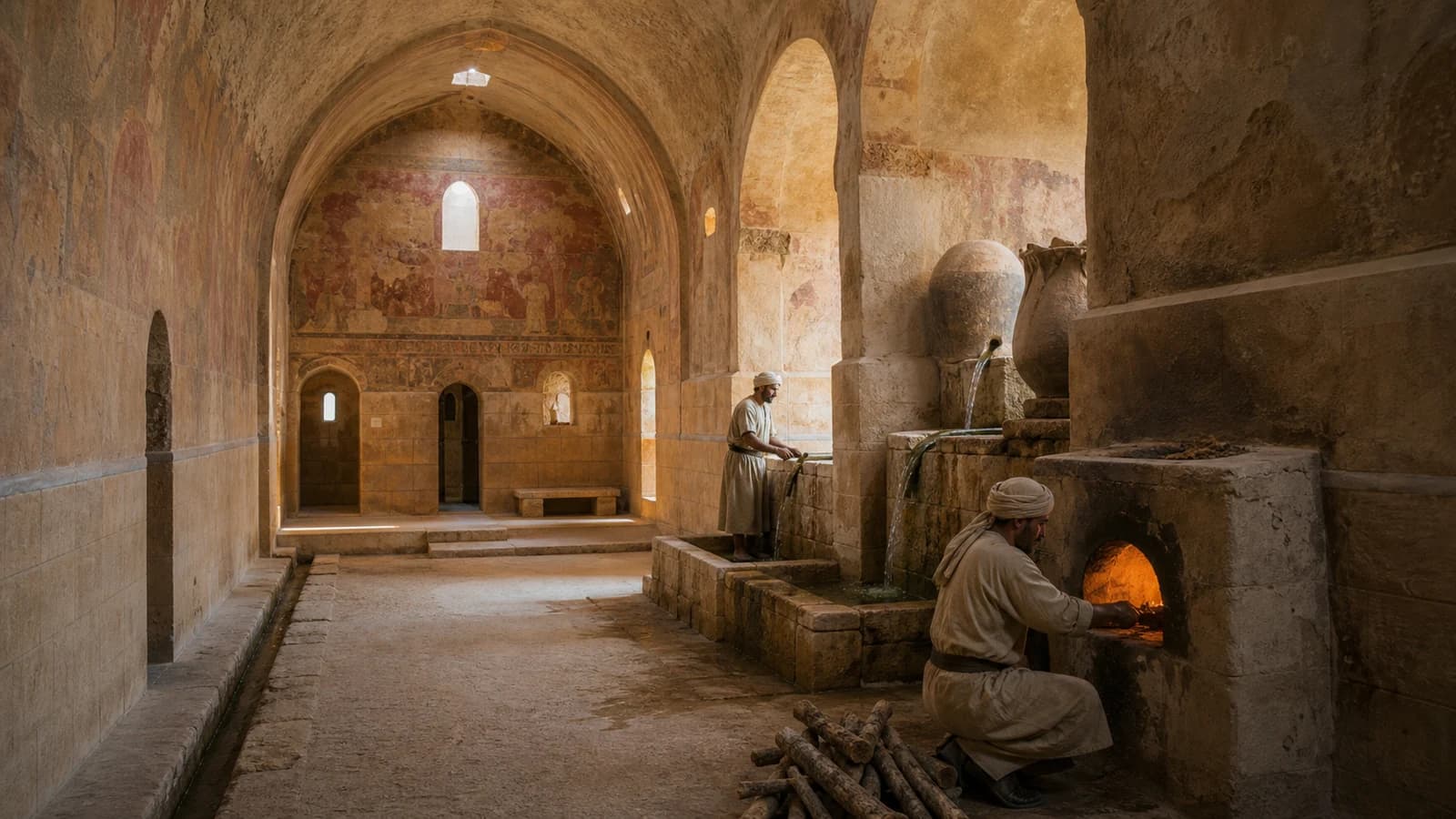
Qusayr Amra: Frescoes Inside an Umayyad Bathhouse
How a desert reception hall and heated bath preserve rulers, workers, hunters, animals and a zodiac dome that complicate stereotypes of early Islamic art.
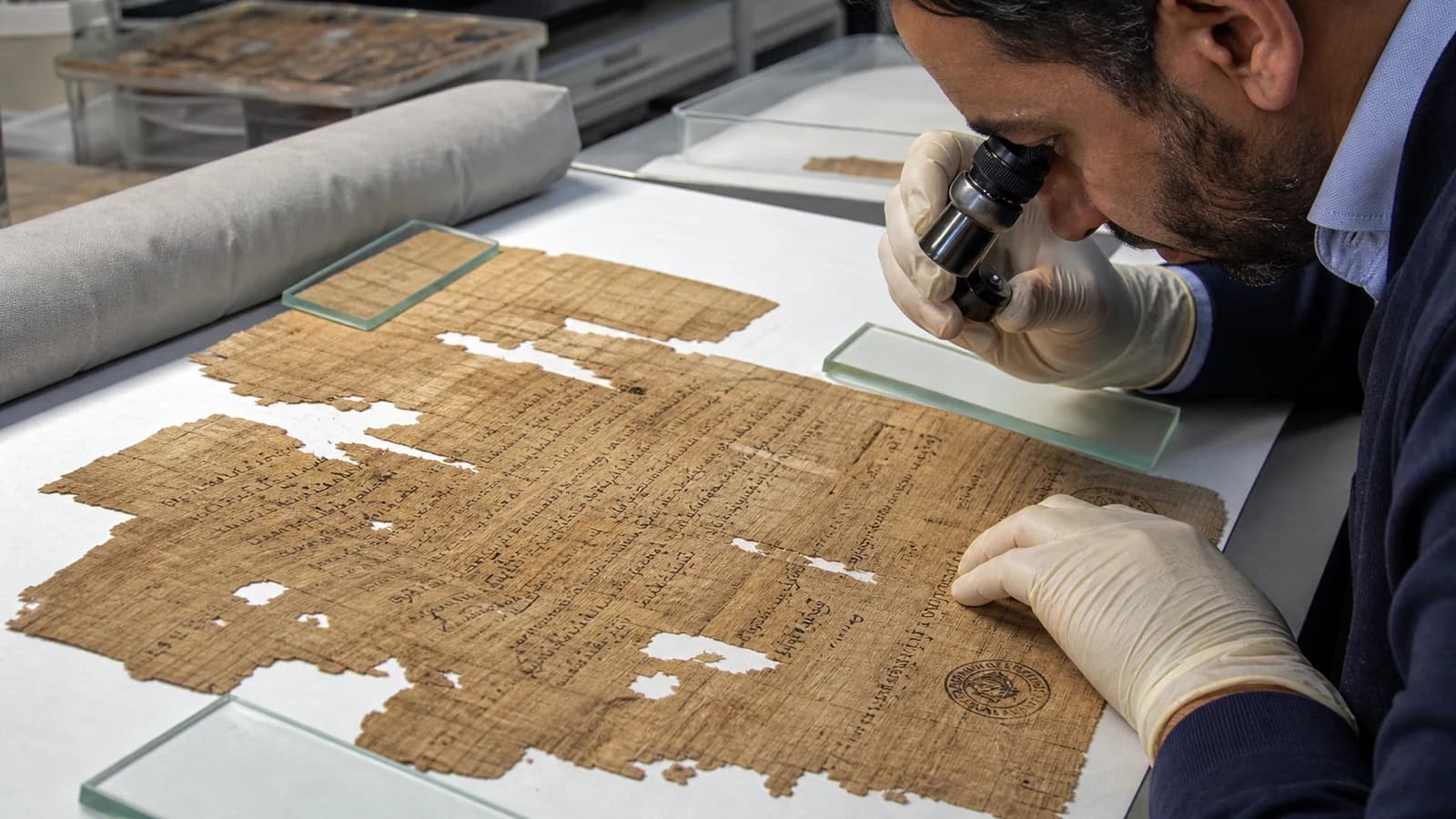
Arabic Papyri: Receipts and Letters from Early Islamic Rule
How papyrus documents expose taxes, orders and ordinary correspondence, why bilingual records matter, and how tiny fragments revise broad political history.
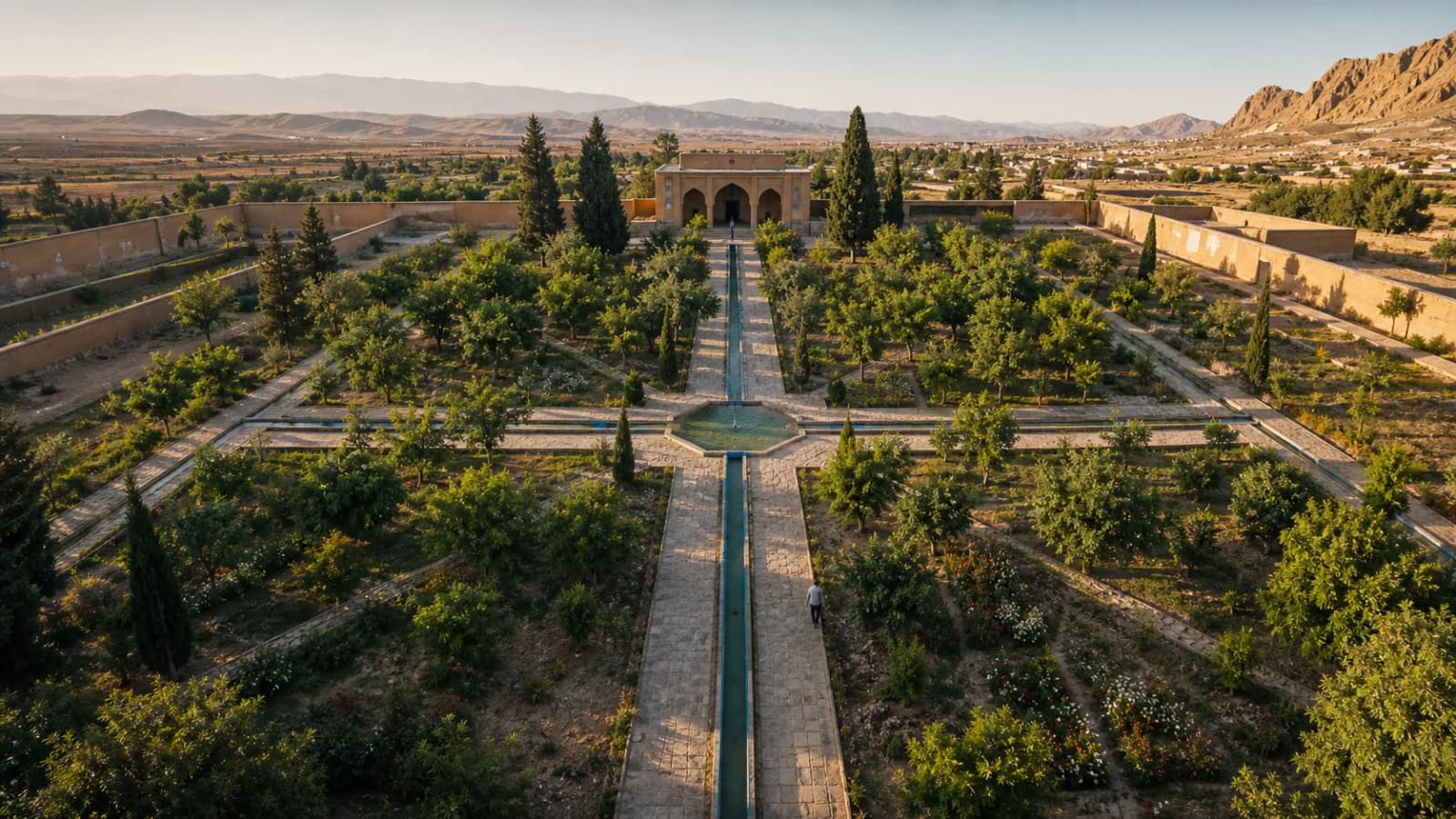
Persian Gardens: Chahar Bagh, Water and the Four-Part Plan
How walls, crossing axes, water channels, shade, pavilions and planting created adaptable Persian gardens—not one rigid plan copied everywhere.
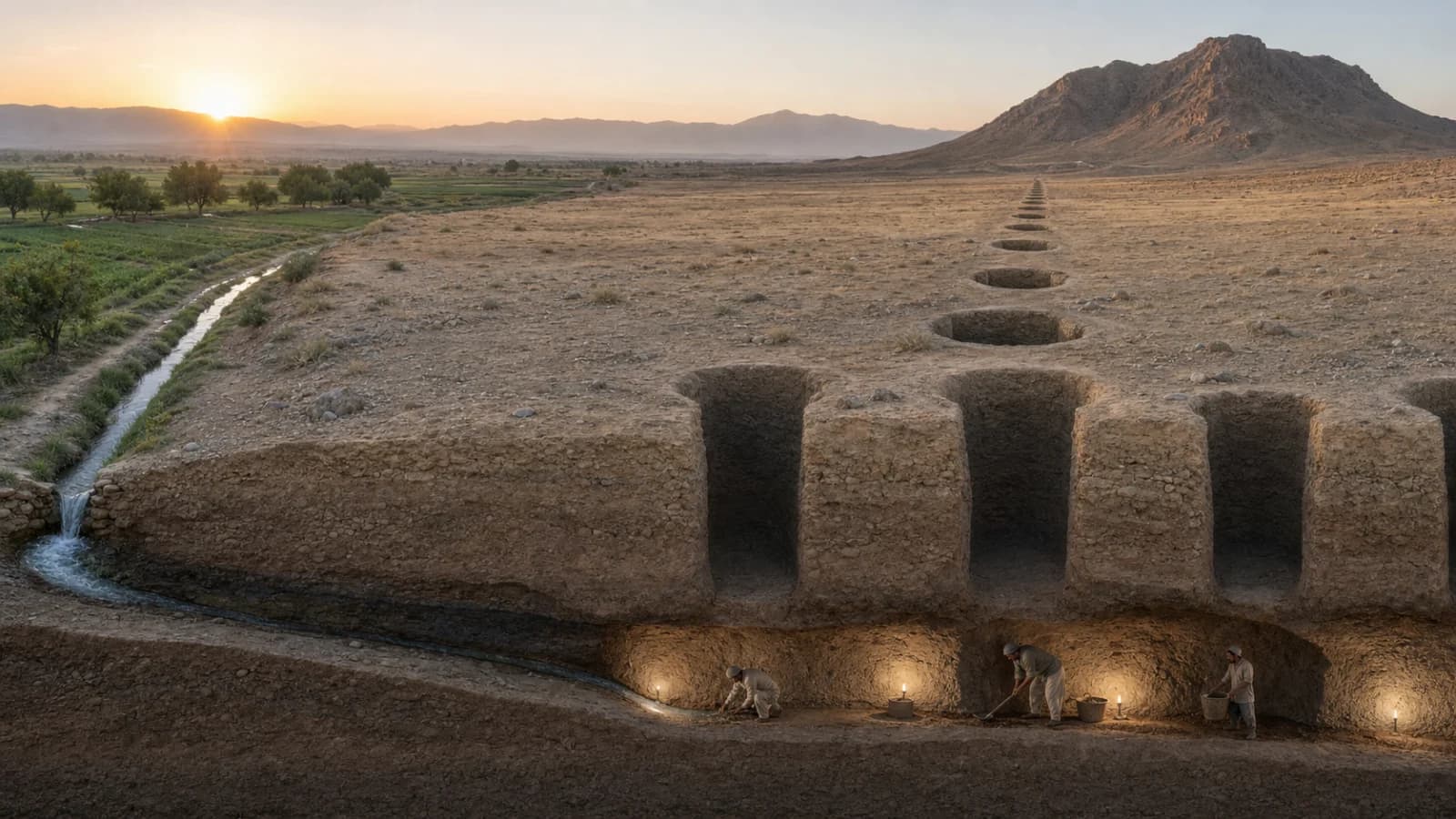
How a Qanat Works: Mother Well, Tunnel, Shafts and Gravity
A step-by-step guide to qanat engineering: tapping an aquifer, setting a gentle gradient, removing spoil, maintaining shafts and sharing the flow.