Features & Perspectives
Long-form analysis on geopolitics, media framing, policy tradeoffs, and social impact.
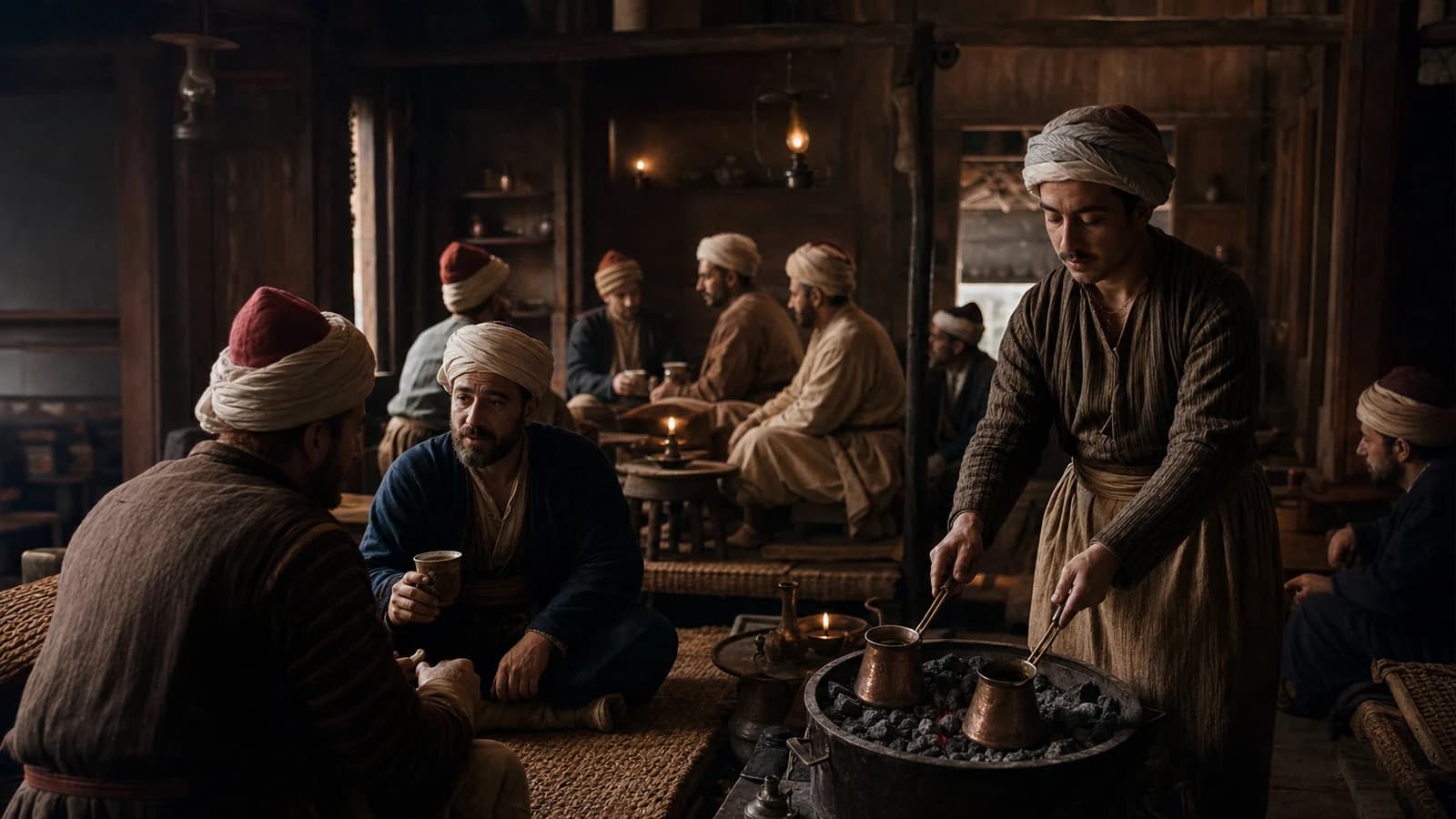
Ottoman Coffeehouses and the Making of Public Life
How sixteenth-century coffeehouses created new settings for talk, games, performance and news—and why rulers alternately regulated, taxed and closed them.
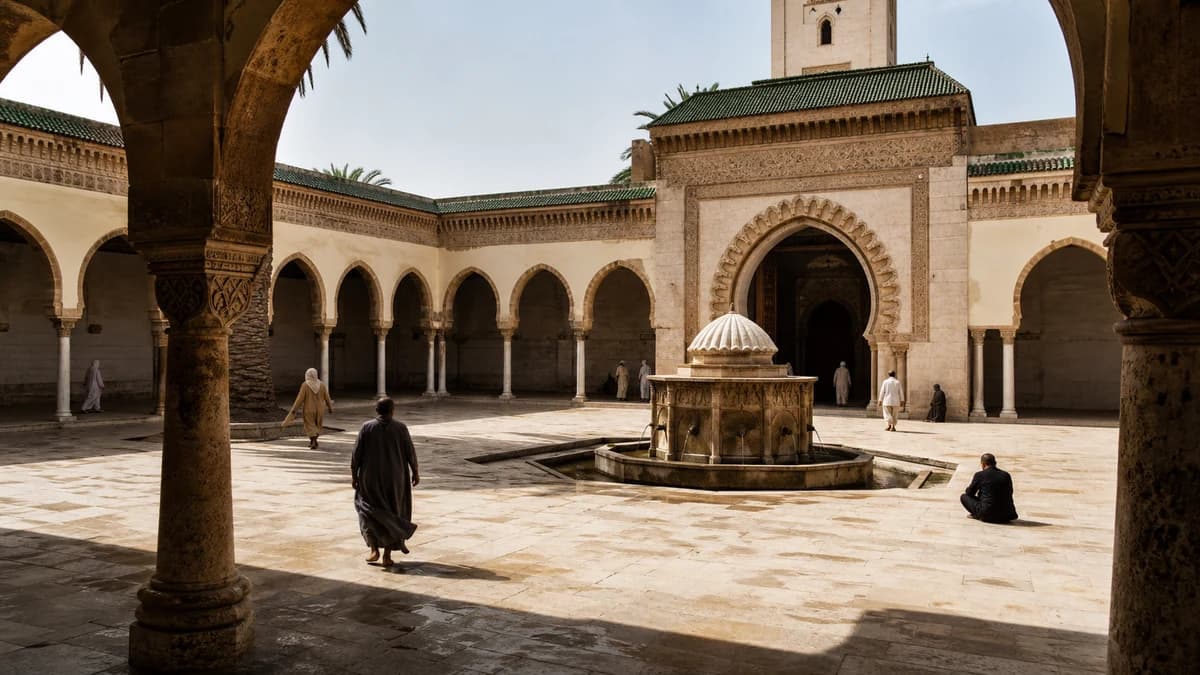
Mosque Sahn: Courtyard, Arcades and Ablution Fountain
What a mosque courtyard does for circulation, overflow prayer, light and climate—and why the central fountain is common but not a universal rule.
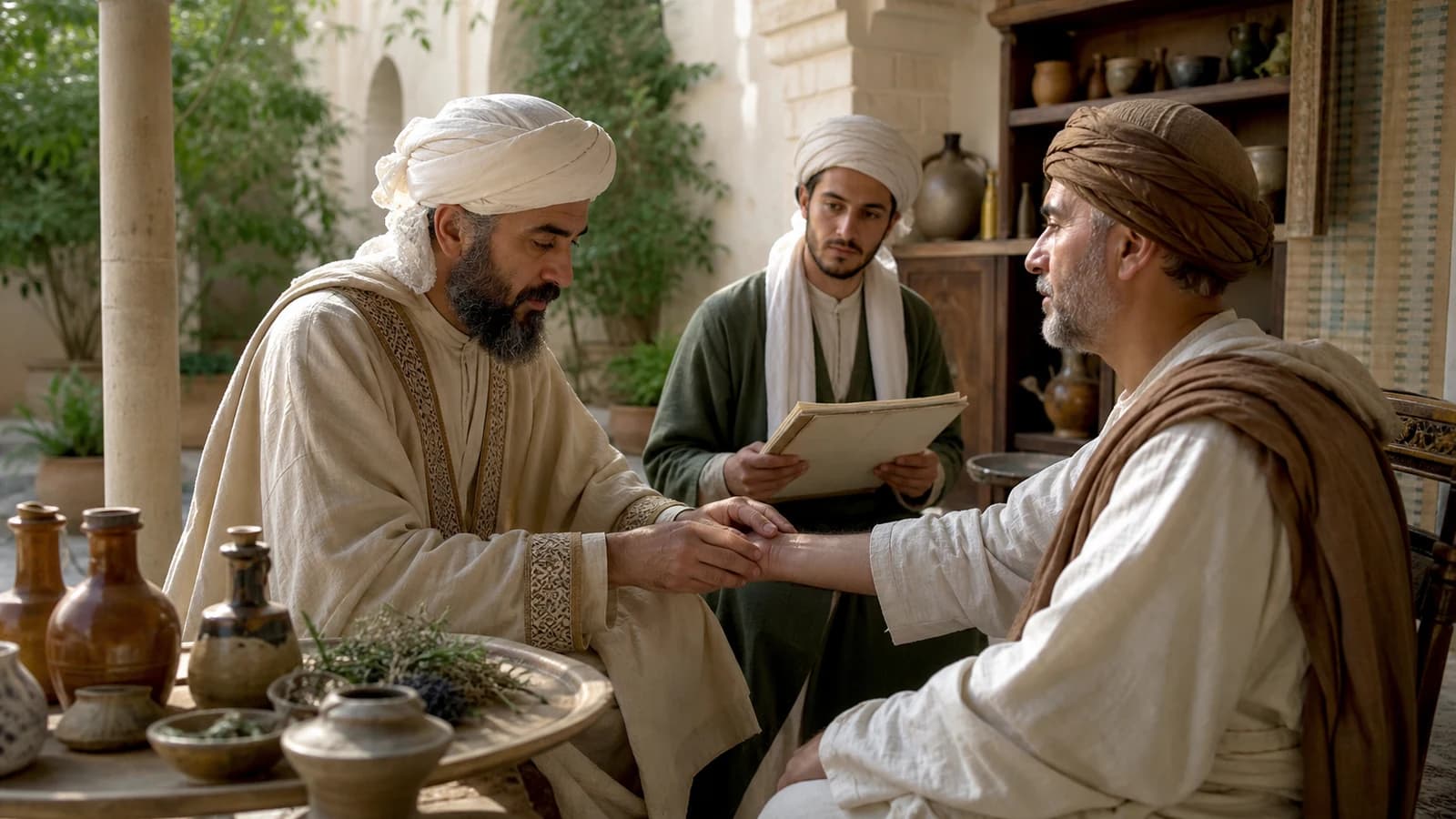
Ibn Zuhr’s al-Taysir and the Discipline of Observation
How Ibn Zuhr’s practical medical writing used symptoms and case experience, what later readers valued, and why modern experimental labels can mislead.
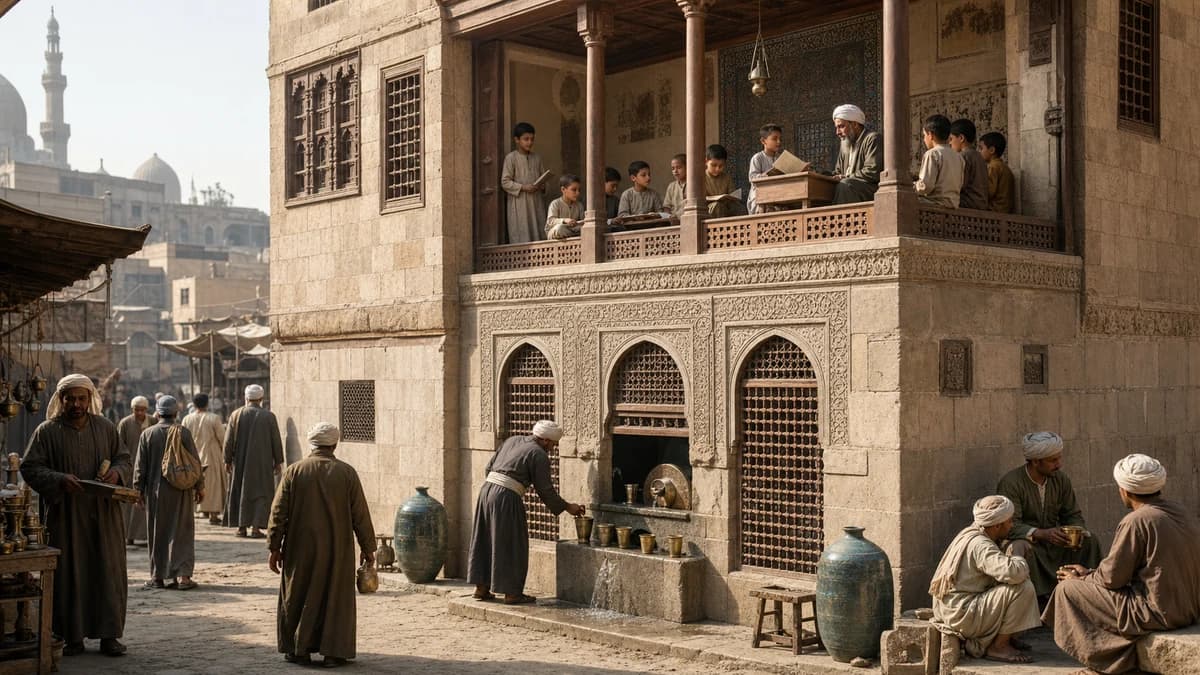
Sabil-Kuttab: Why Cairo Put a School Above a Fountain
How a sabil dispensed drinking water, how a kuttab taught children above it, and why corner placement made charity visible in Mamluk and Ottoman Cairo.
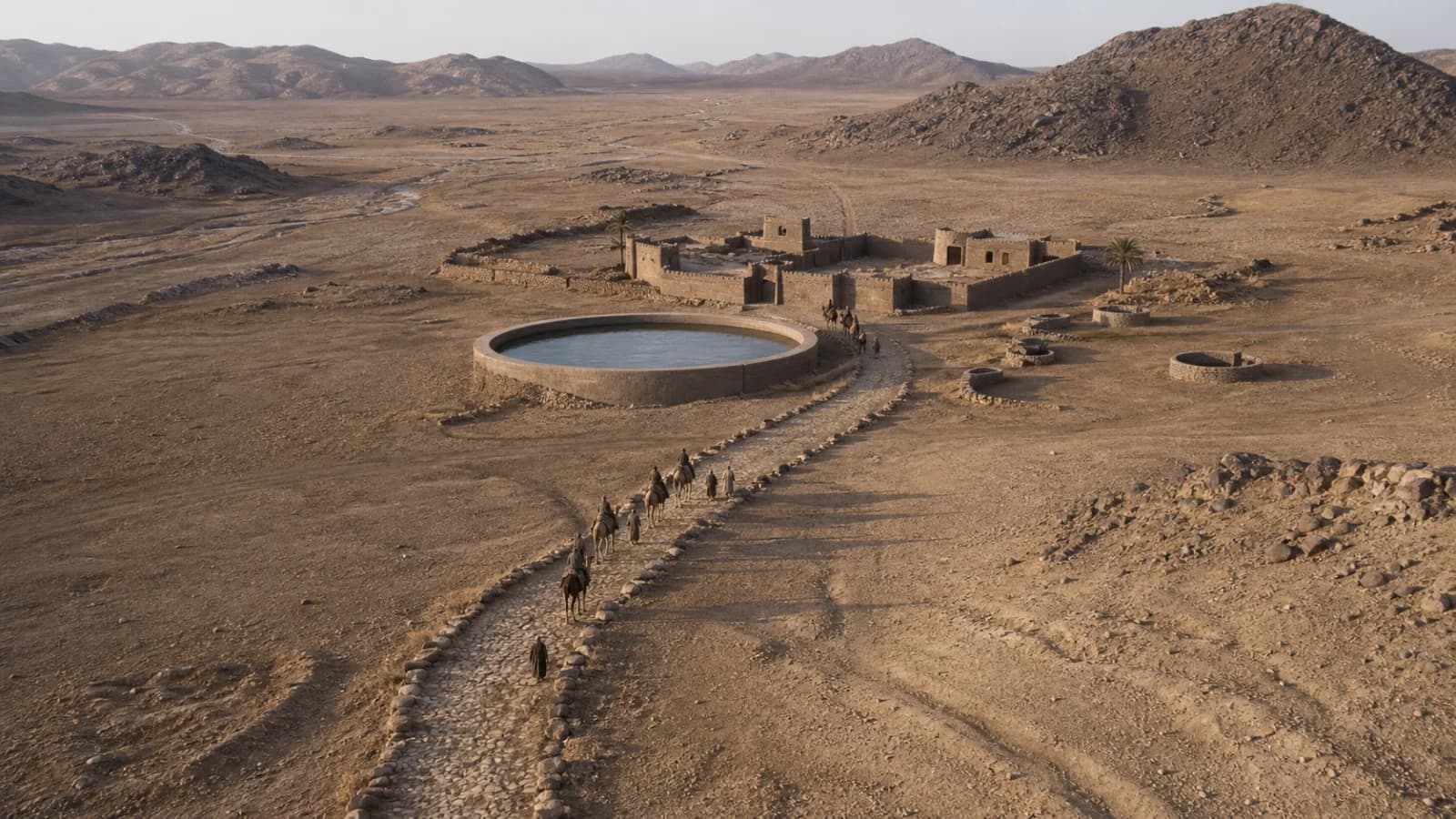
Darb Zubaydah: Abbasid Hajj Road from Kufa to Makkah
Trace the 1,300 km Darb Zubaydah and learn how Abbasid wells, cisterns, stations and milestones supported pilgrims from Kufa to Makkah.
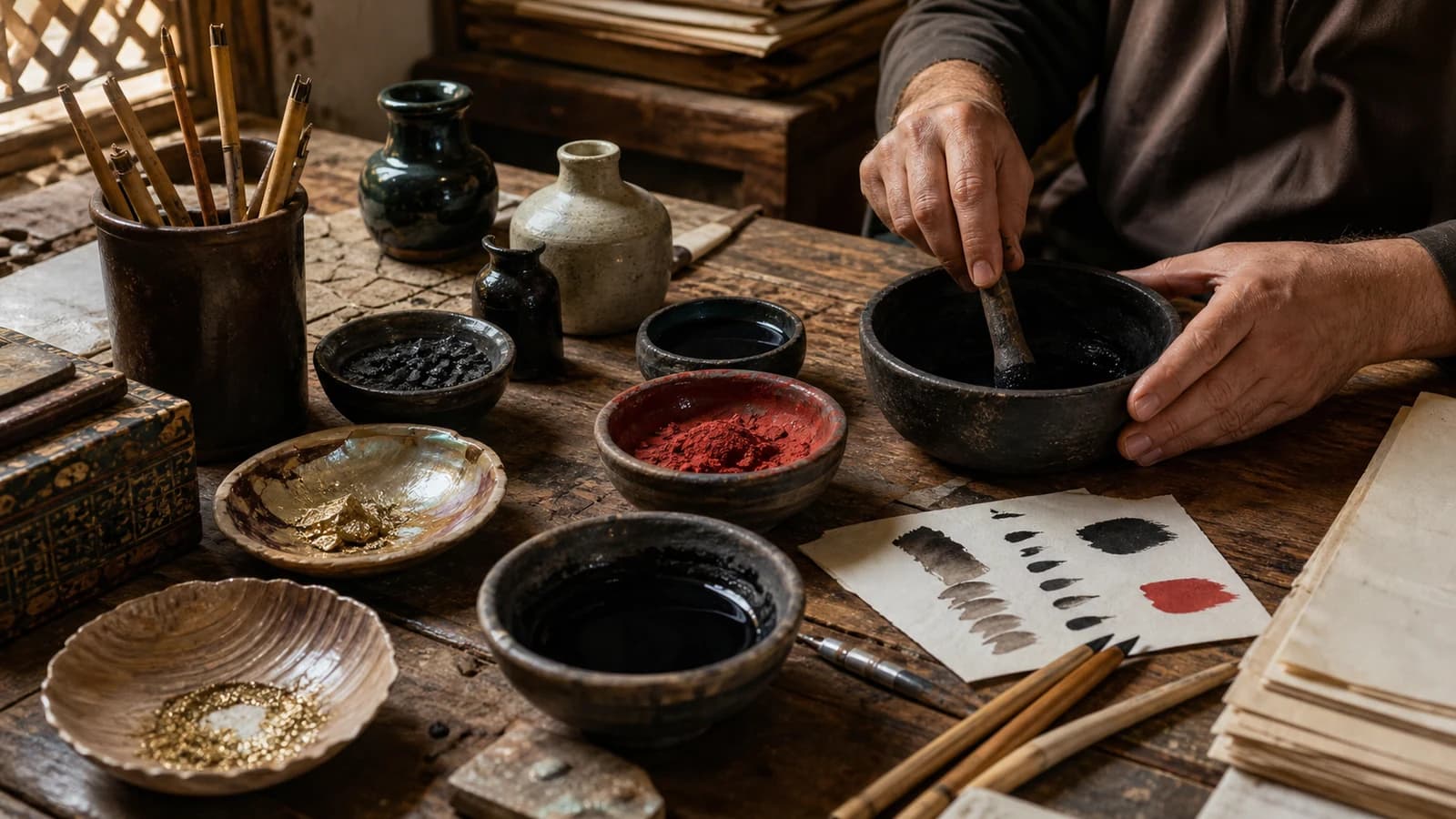
Islamic Manuscript Inks: Carbon, Iron Gall, Red and Gold
How black, red and metallic writing materials were made and identified, why recipes vary, and how ink chemistry shapes manuscript conservation.
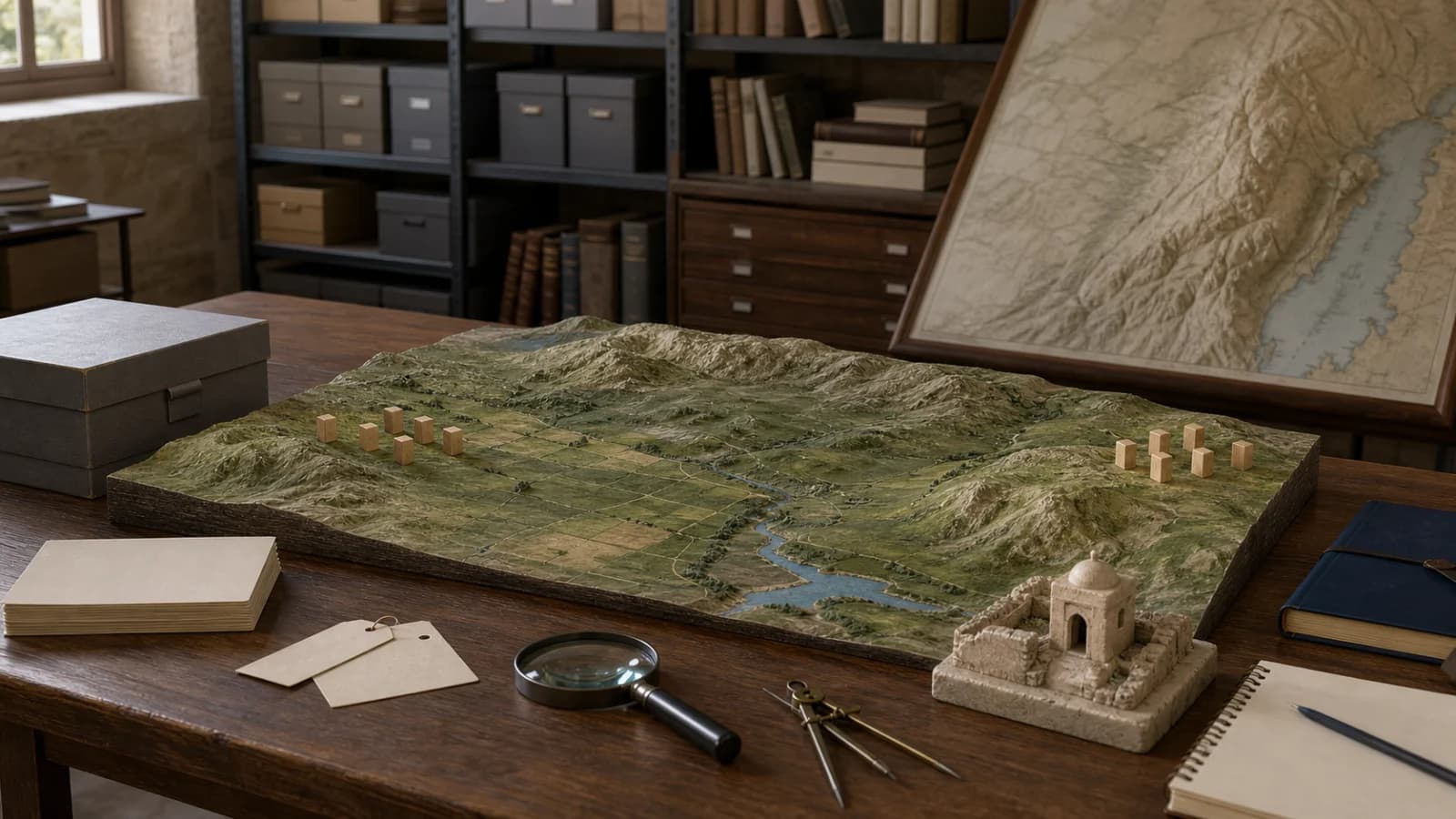
Battle of Ain Jalut 1260: Qutuz, Baybars, Kitbuqa, Tactics and Myths
A detailed, source-critical guide to Ain Jalut on 3 September 1260: the road from Baghdad, Hülegü’s withdrawal, Qutuz and Baybars, Kitbuqa’s force, uncertain numbers, battlefield accounts, Mamluk rule in Syria and myths about Mongol defeat and gunpowder.
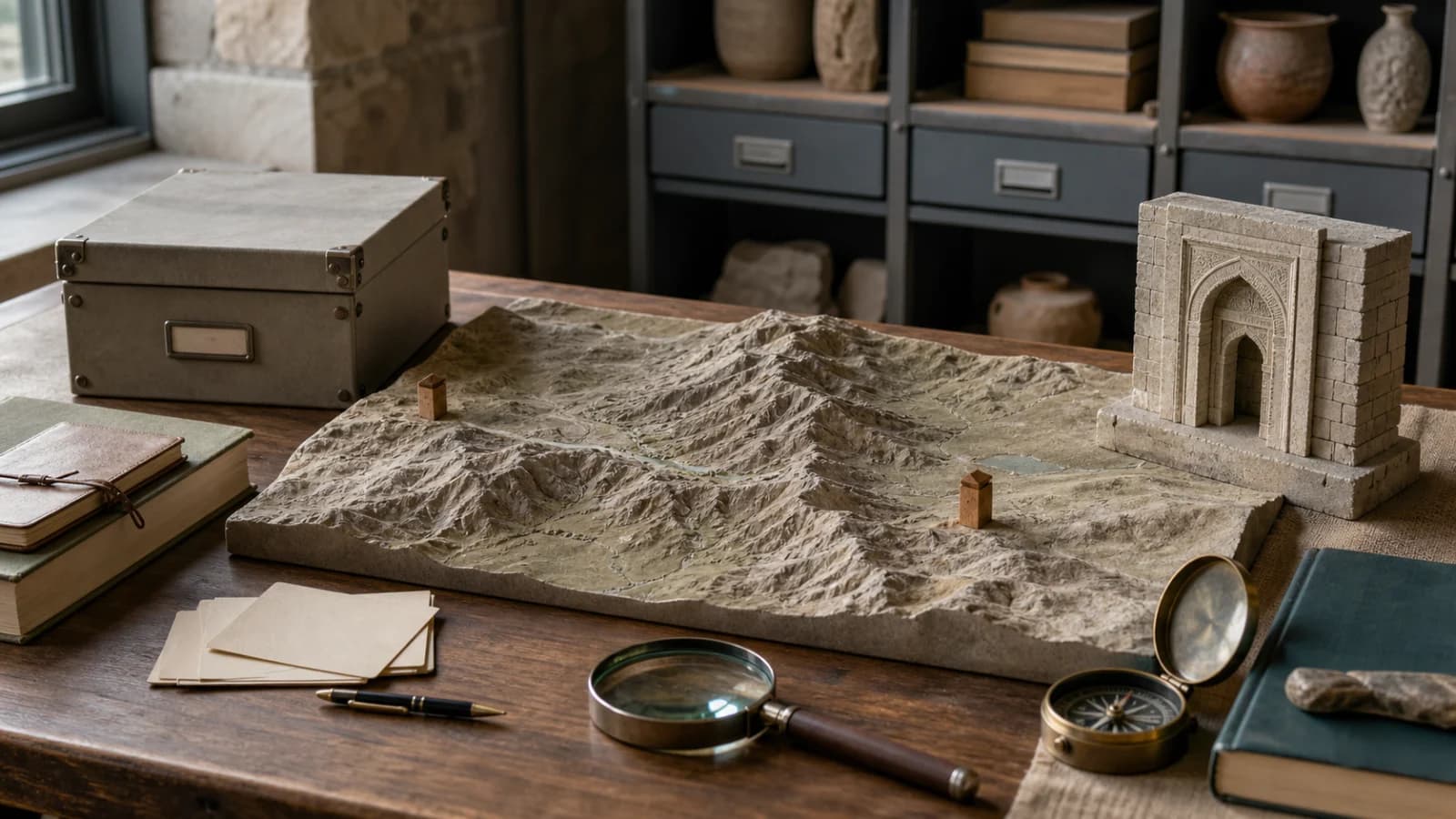
What the Battle of Manzikert Changed After Romanos IV Was Captured in 1071
A source-critical account of the Battle of Manzikert on 26 August 1071, Romanos IV's capture by Alp Arslan, the evidence scholars trust, and how civil war and migration changed Anatolia afterward.
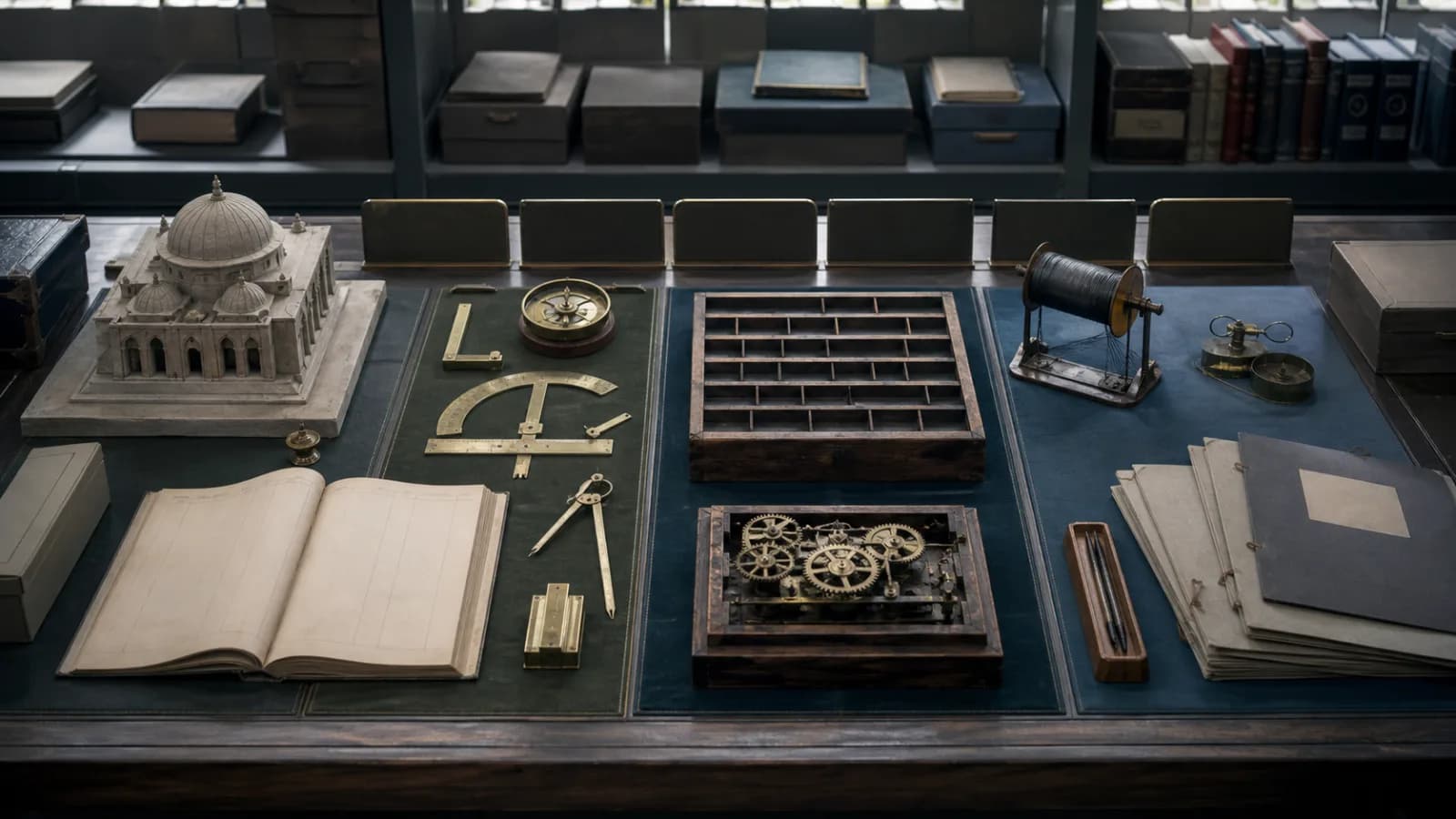
Why the Ottoman Empire Did Not Simply Decline After Süleyman
A source-critical guide to the Ottoman decline thesis, separating military losses, fiscal change, provincial power, reform, mass violence and the empire’s different end dates.
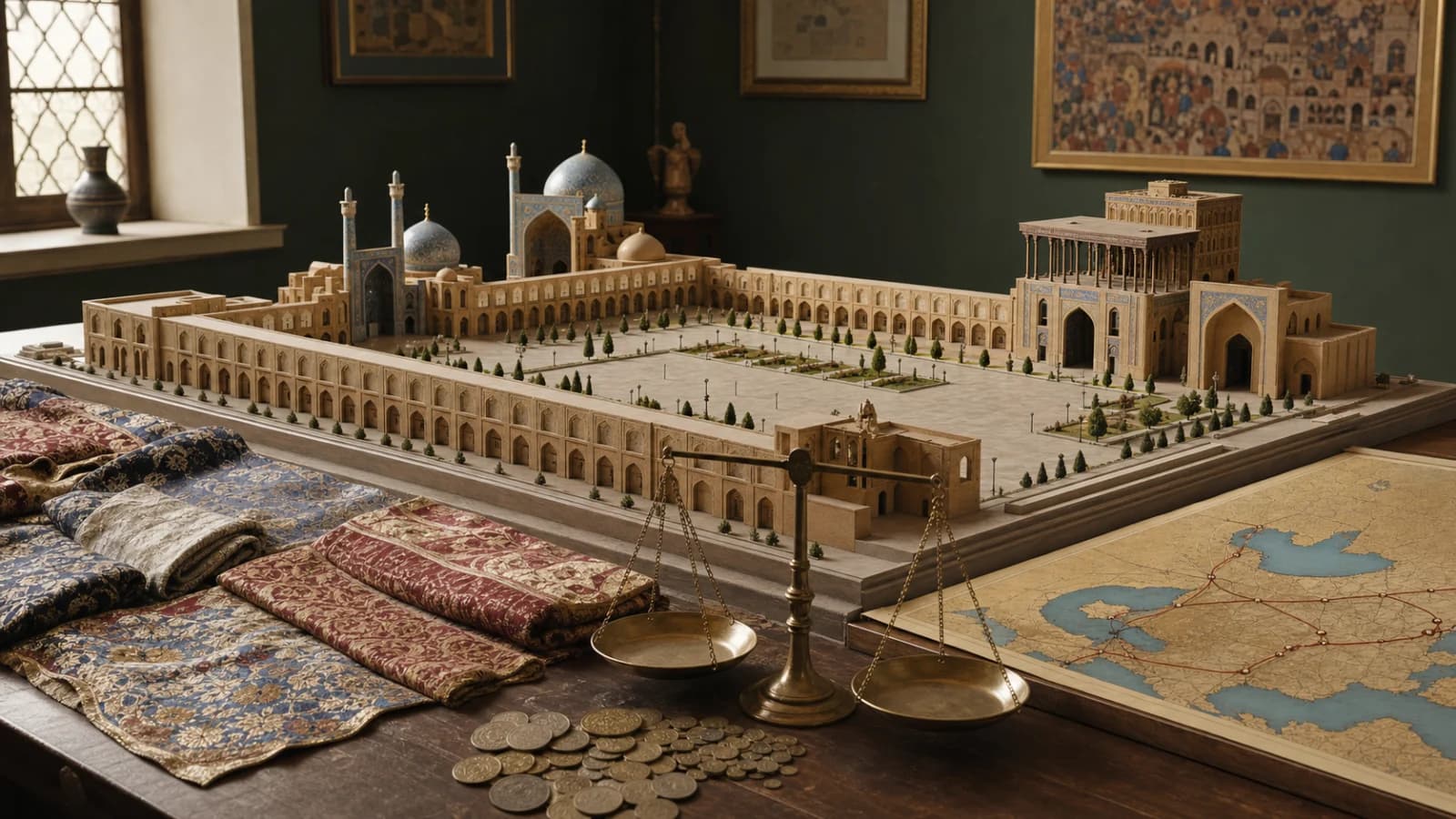
Shah Abbas I, Isfahan, New Julfa and the Safavid Silk Trade
How Shah Abbas I reshaped Safavid Iran through military and court reform, Isfahan, Meidan Emam, New Julfa, Armenian merchant networks and the silk trade.
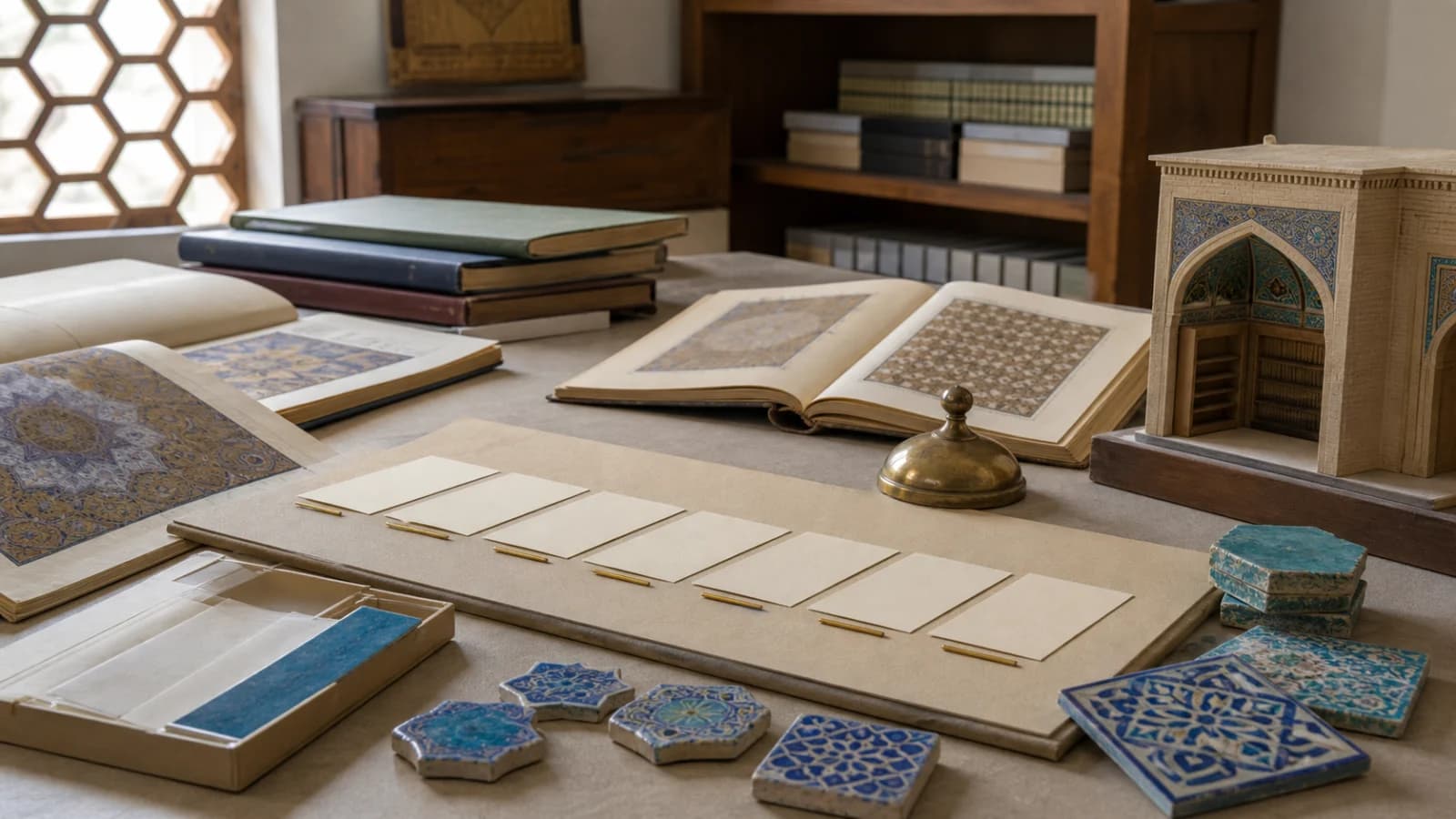
How Safavid Iran Became Twelver Shi'i Through State Policy and Clerical Networks
Why Iran became predominantly Twelver Shi'i after 1501, including Safavid state policy, coercion, clerical migration, legal institutions and evidence for gradual change.
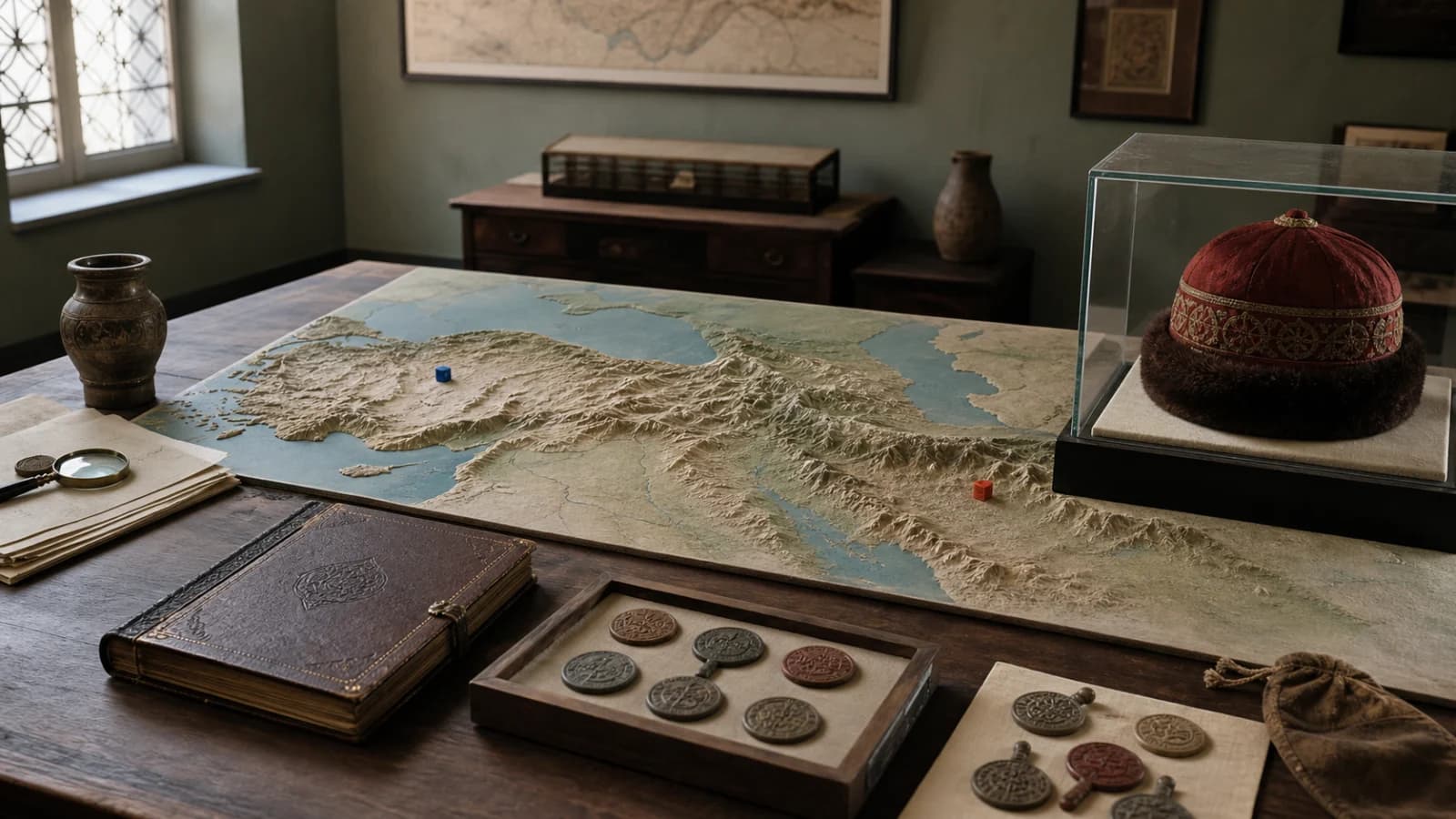
Shah Ismail I, the Safavid Foundation and the Battle of Chaldiran
A source-critical history of Shah Ismail I, Qizilbash support, the Safavid state founded in 1501, the Battle of Chaldiran in 1514 and what followed.