Features & Perspectives
Long-form analysis on geopolitics, media framing, policy tradeoffs, and social impact.
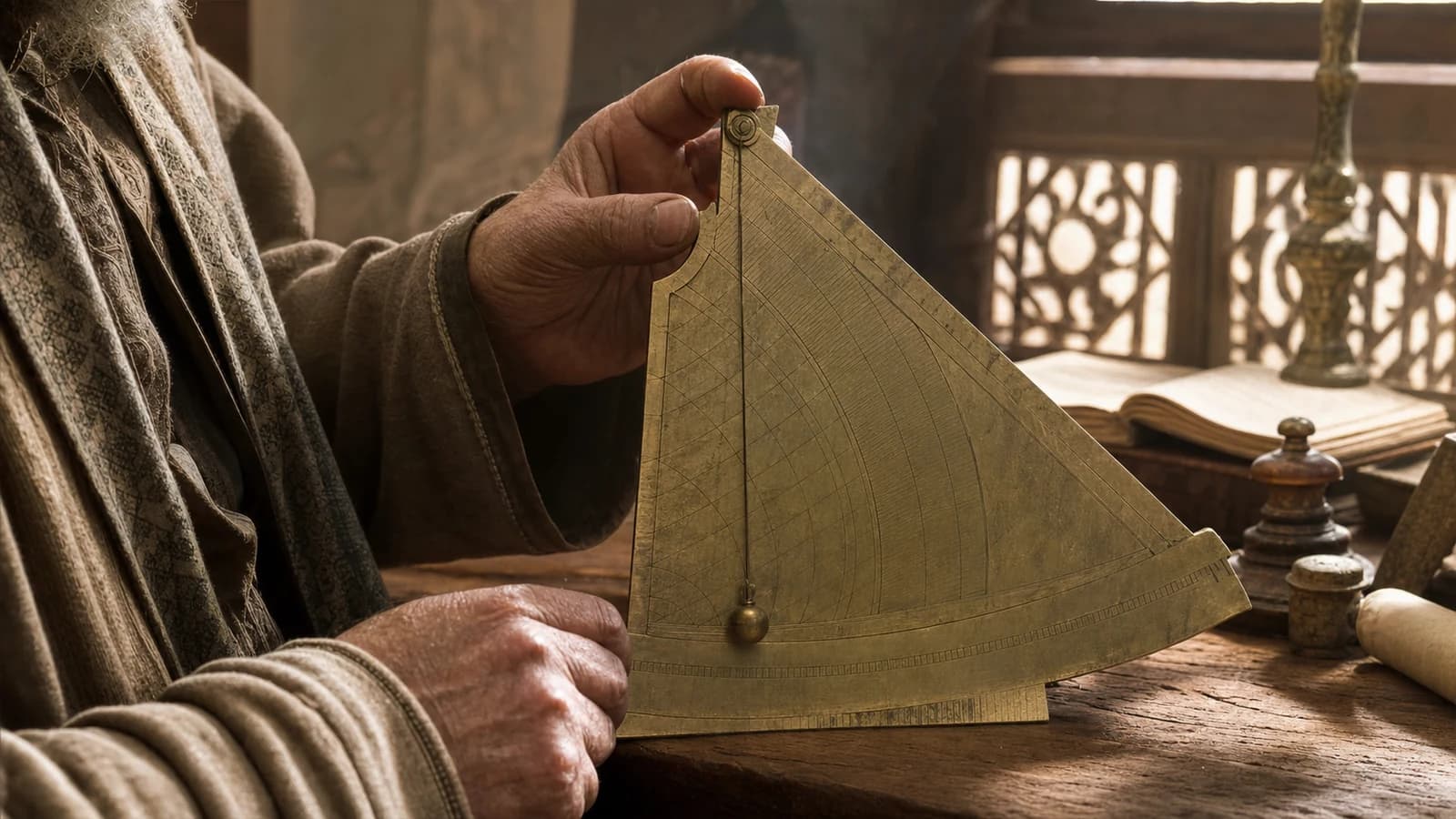
Astrolabic Quadrant: A Folded Sky in One Quarter-Circle
How an astrolabic quadrant compresses astrolabe geometry, what its grids and plumb line calculate, and why one instrument cannot represent every use.
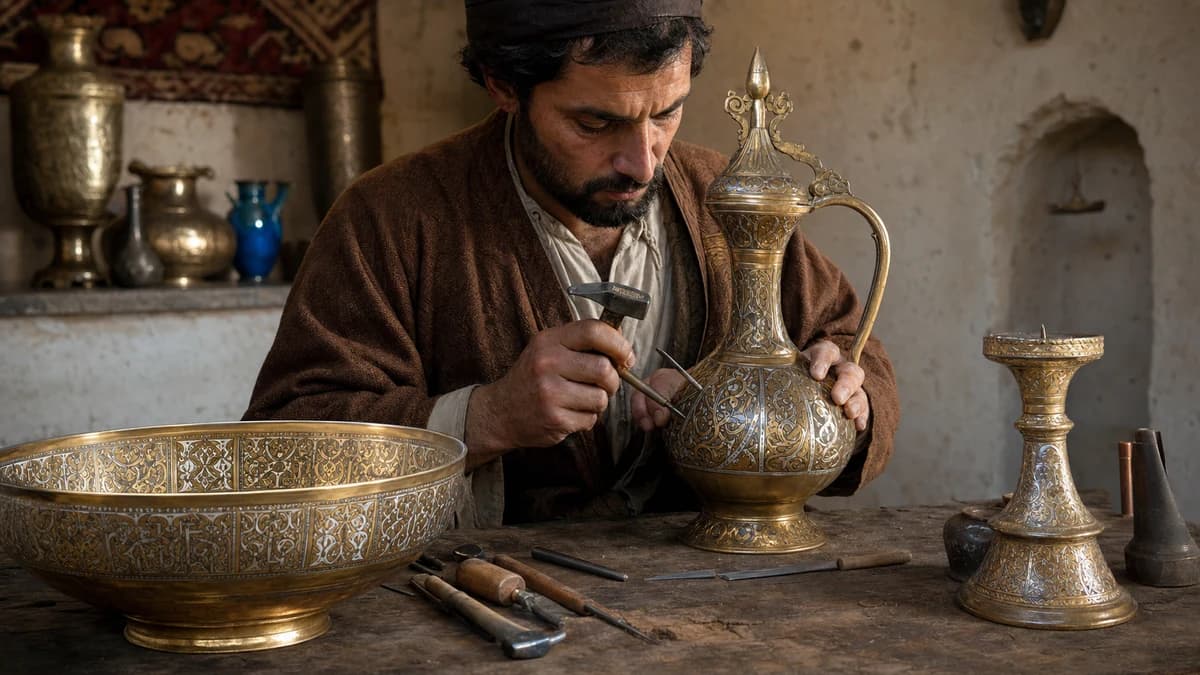
Mosul Inlaid Metalwork: Silver, Brass and a Mobile Style
How medieval metalworkers cut silver and copper into brass, signed objects from Mosul, and spread a prestigious visual language far beyond one city.
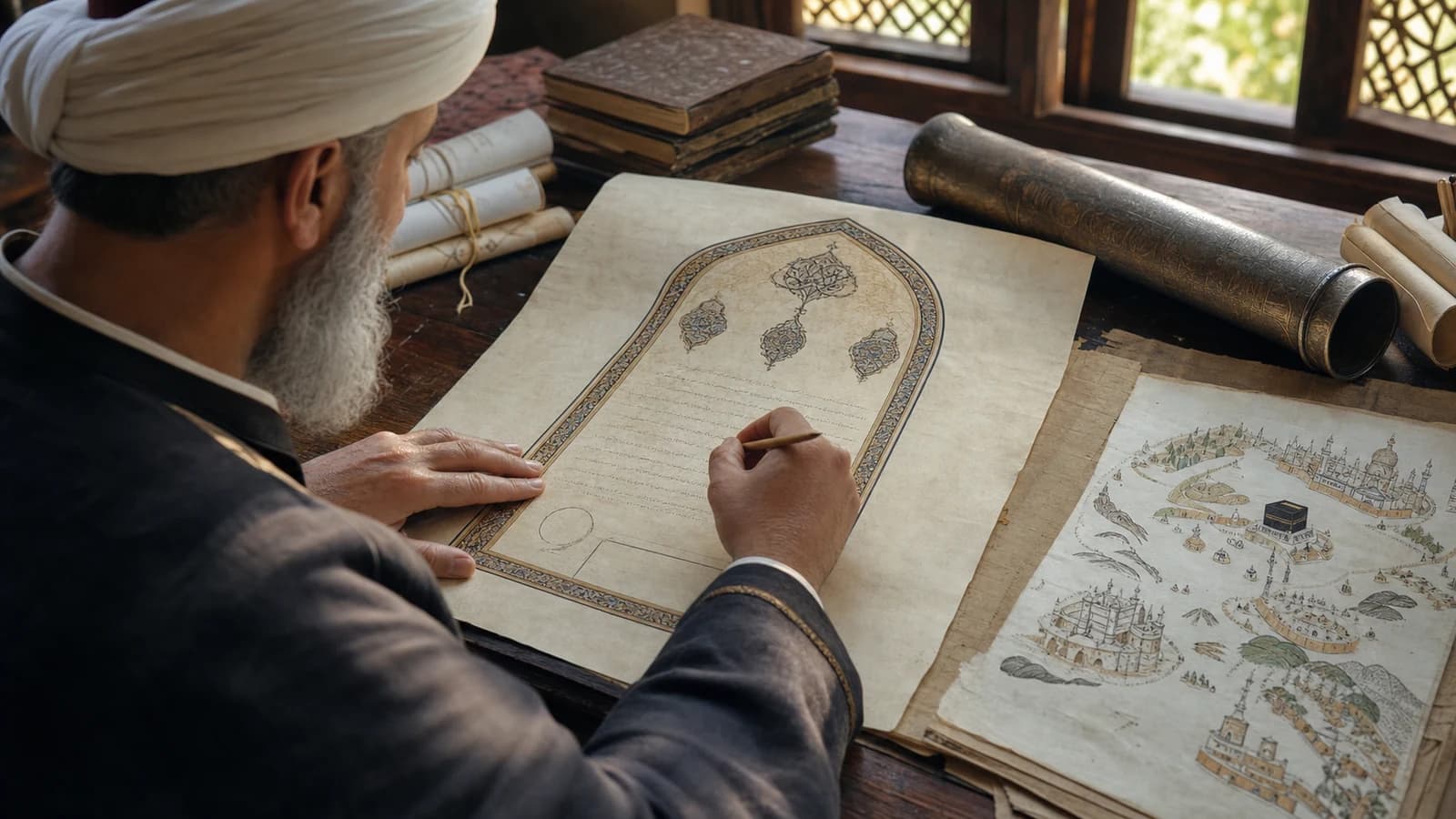
Hajj Certificates: How Pilgrimage Was Documented
How illustrated scrolls and printed forms recorded completed or proxy pilgrimage, named participants and turned sacred geography into portable evidence.
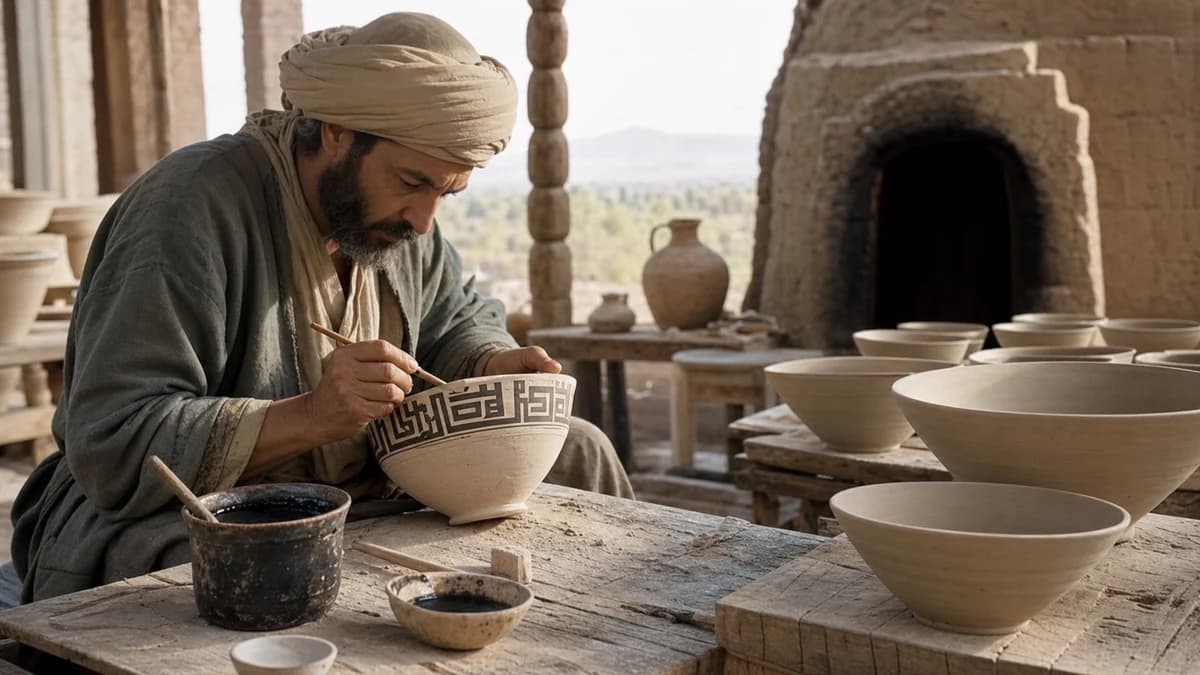
Samanid Epigraphic Pottery: When Kufic Script Shaped the Bowl
How black slip inscriptions, white grounds and carefully paced Kufic letters turned everyday advice and blessings into the main design of eastern Iranian bowls.
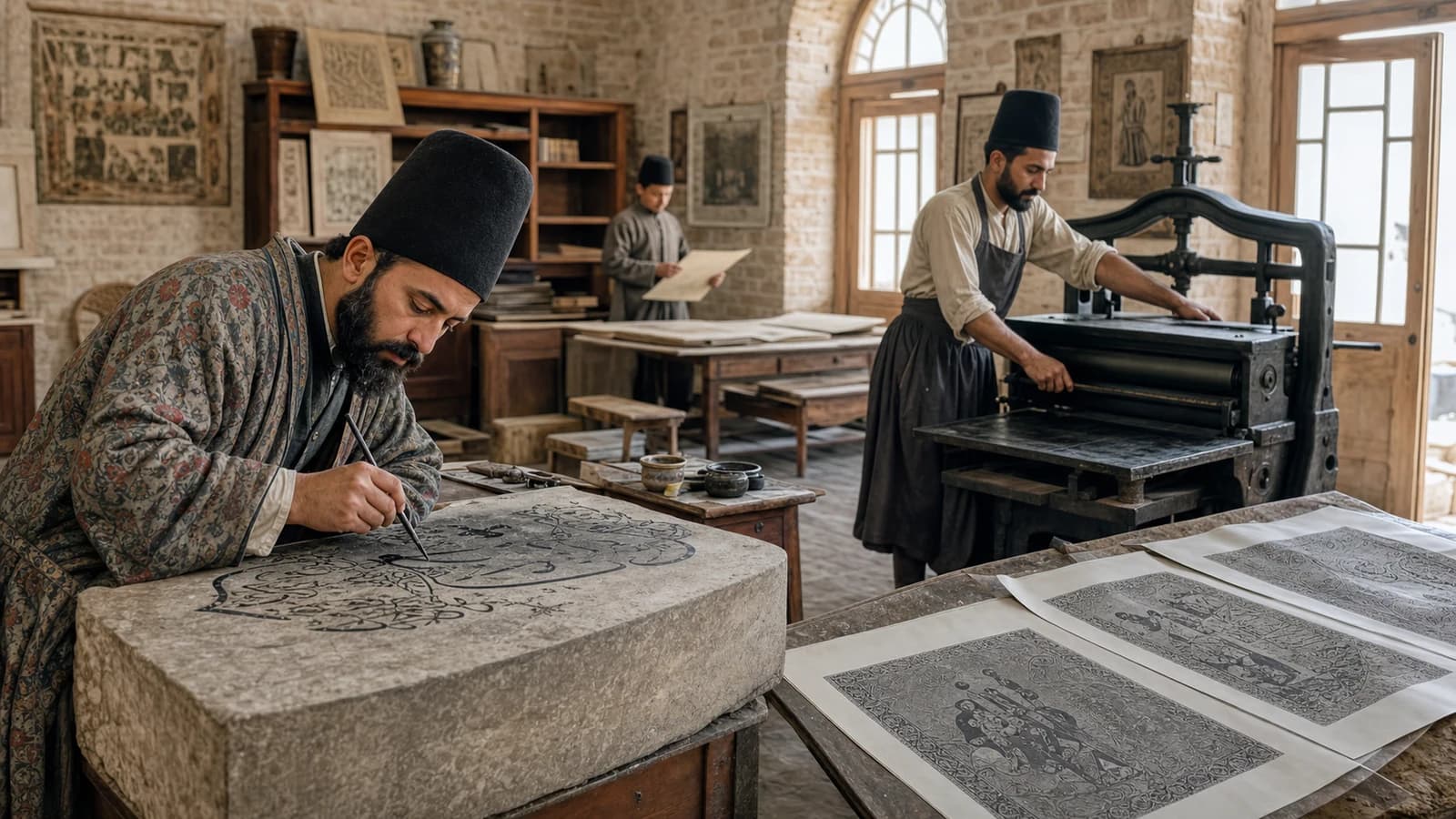
Qajar Lithography: Printing Persian Books by Stone
Why lithography suited flowing Persian calligraphy, how scribes and illustrators adapted to print and why the new books continued manuscript visual habits.
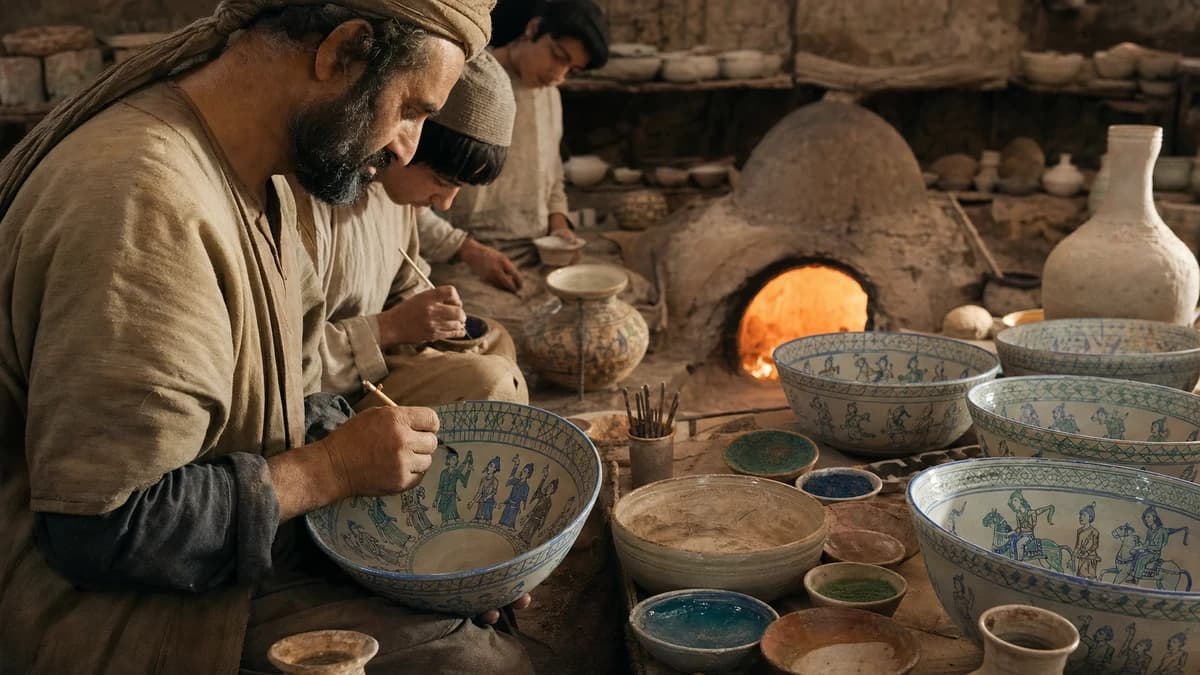
Mina’i Ware: How Persian Potters Painted Above the Glaze
How mina’i pottery combined underglaze color, a clear glaze and a second firing for detailed figures, inscriptions and courtly scenes in Seljuk-period Iran.
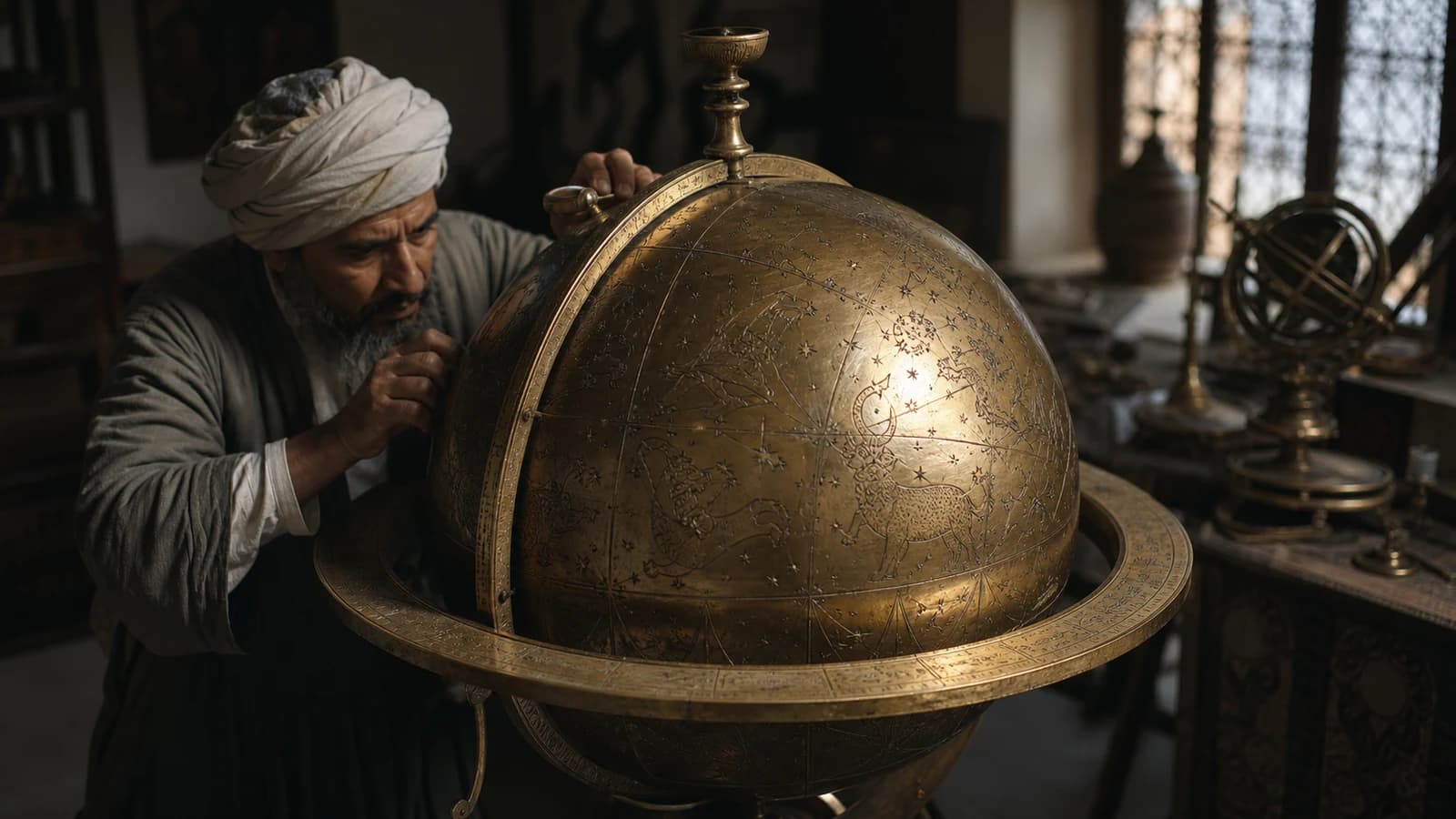
Islamic Celestial Globes: Mapping Stars on Brass
How astronomers placed constellations on a spherical sky model, why figures appear reversed, and what inscriptions reveal about makers and use.
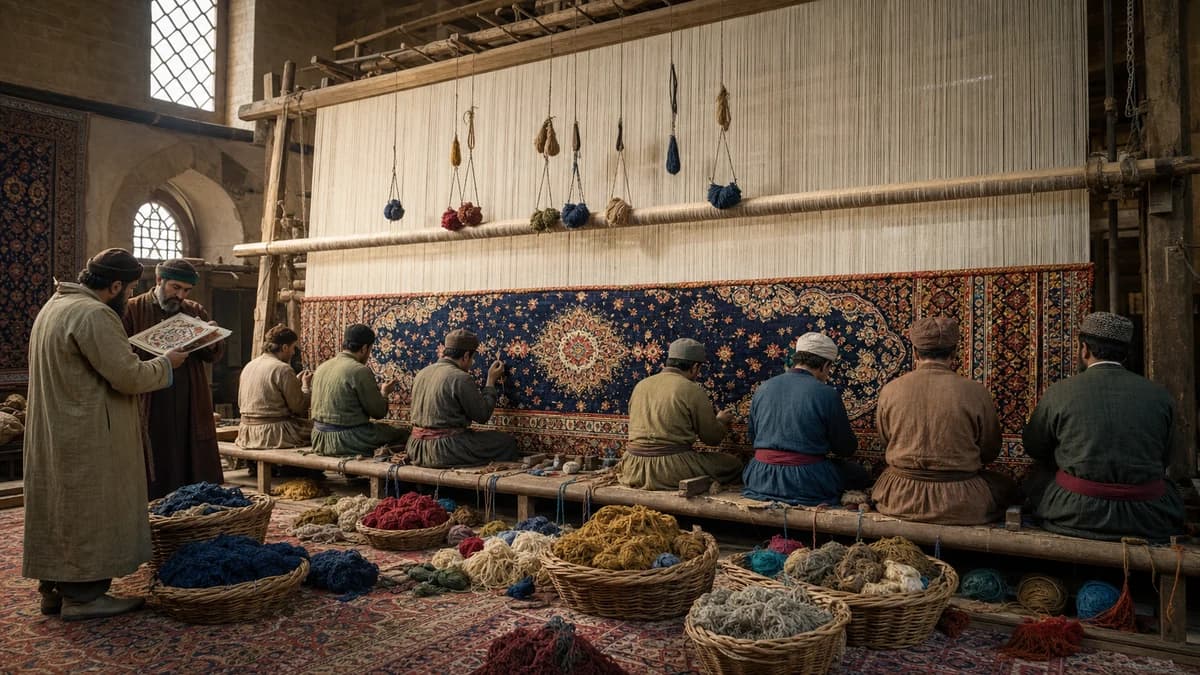
The Ardabil Carpet: Design, Inscription and Safavid Weaving
A guide to the Ardabil Carpet’s medallion, lamps, poetic inscription, dense knots and the restoration that shaped what visitors see today.
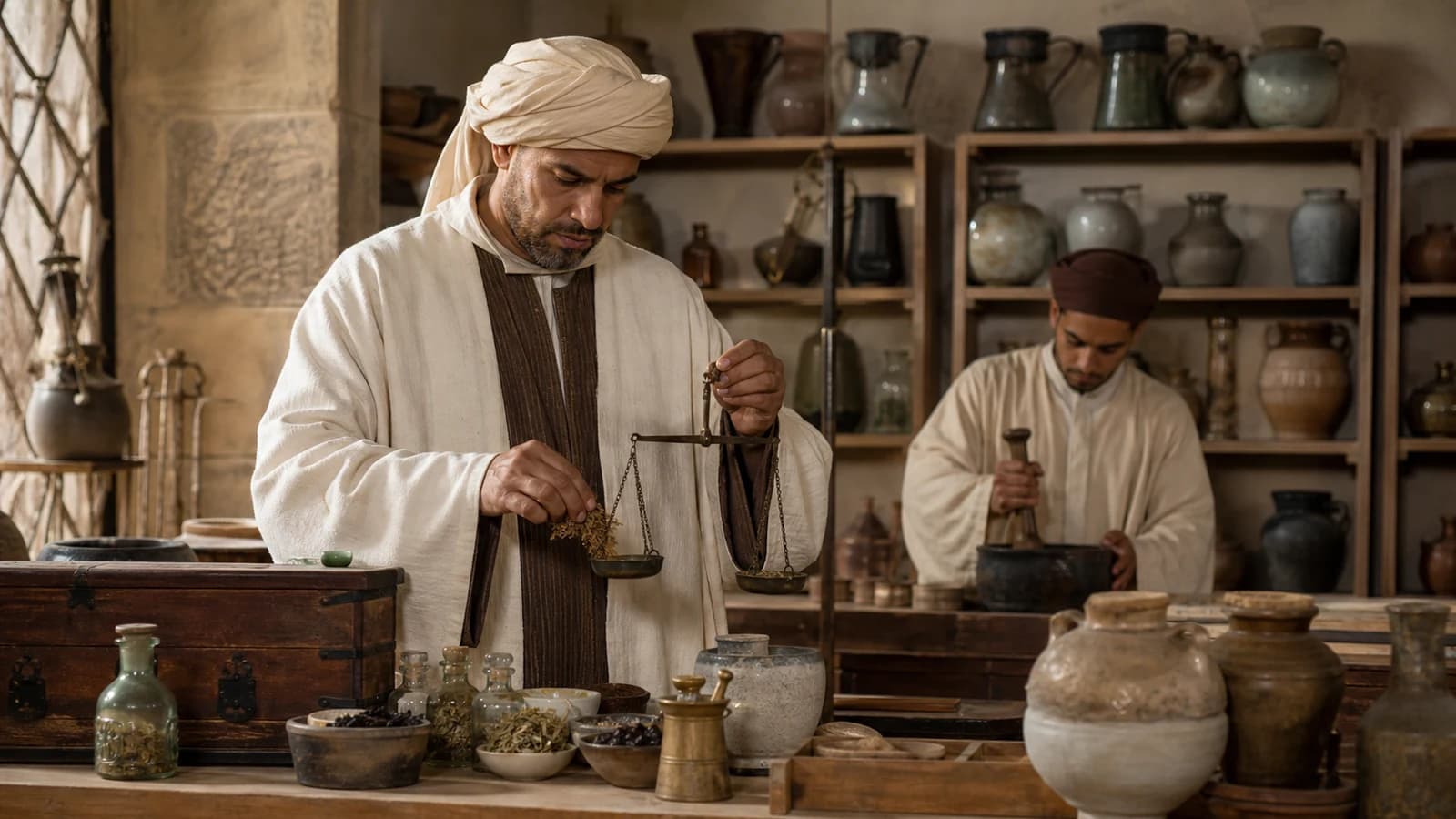
Medieval Islamic Pharmacy: Drugs, Formularies and Shops
How compound medicines were described, prepared and sold, what formularies reveal about specialist practice, and why recipes are not modern prescriptions.
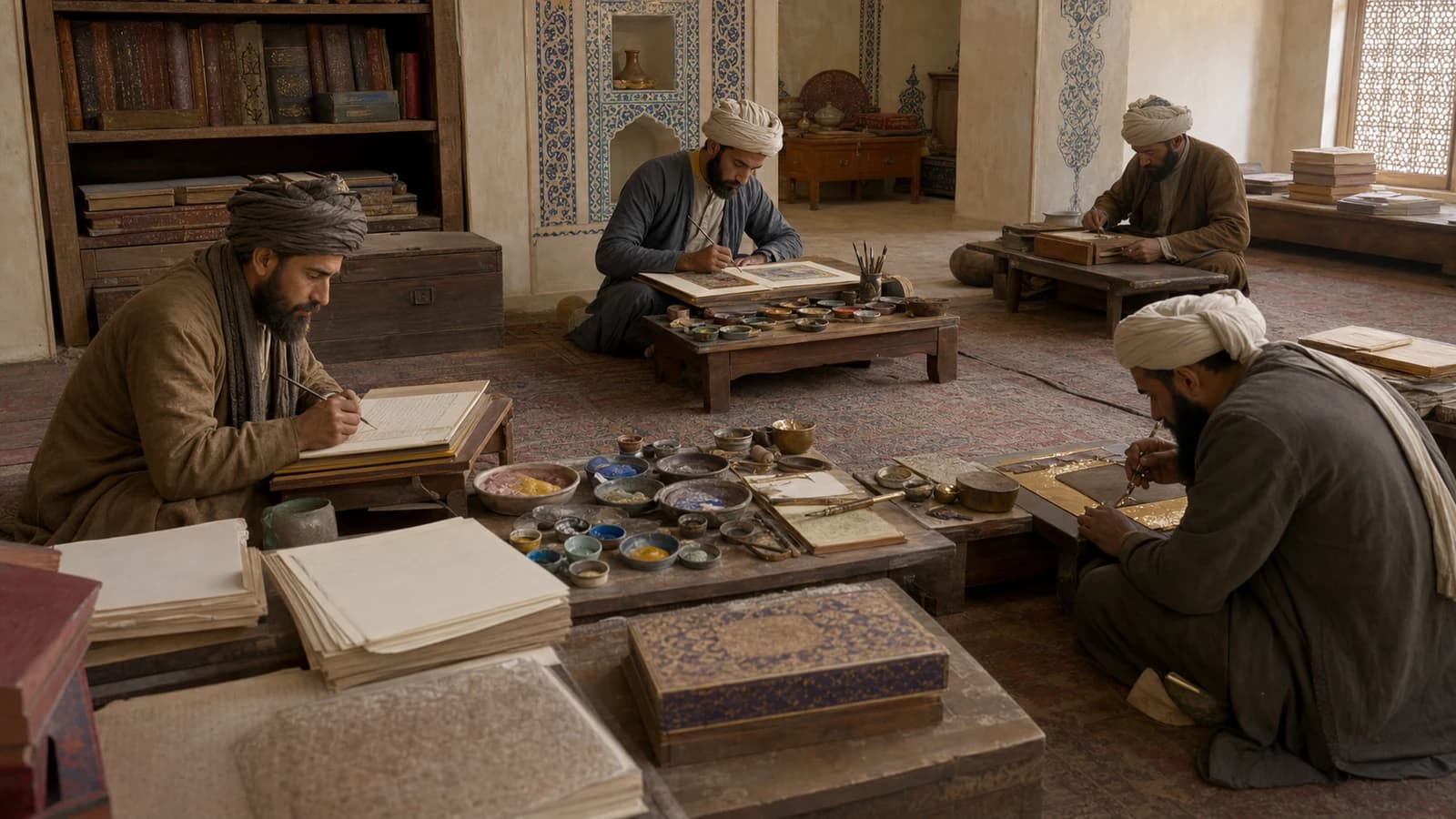
Kitabkhana: Inside a Royal Manuscript Workshop
How court libraries coordinated paper, calligraphy, painting, illumination and binding, and why a famous manuscript was usually collaborative work.
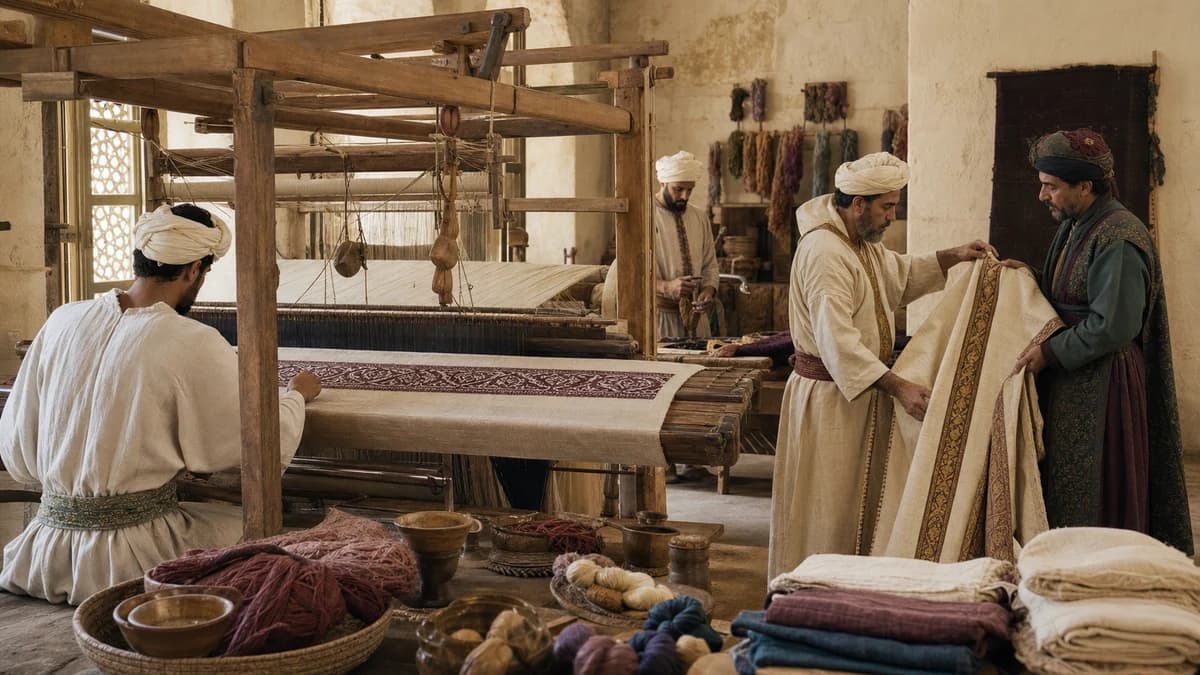
Tiraz Textiles: Inscriptions, Caliphal Workshops and Status
What tiraz textiles were, how their inscriptions recorded rulers and workshops, and why surviving fragments must be read as both cloth and political evidence.
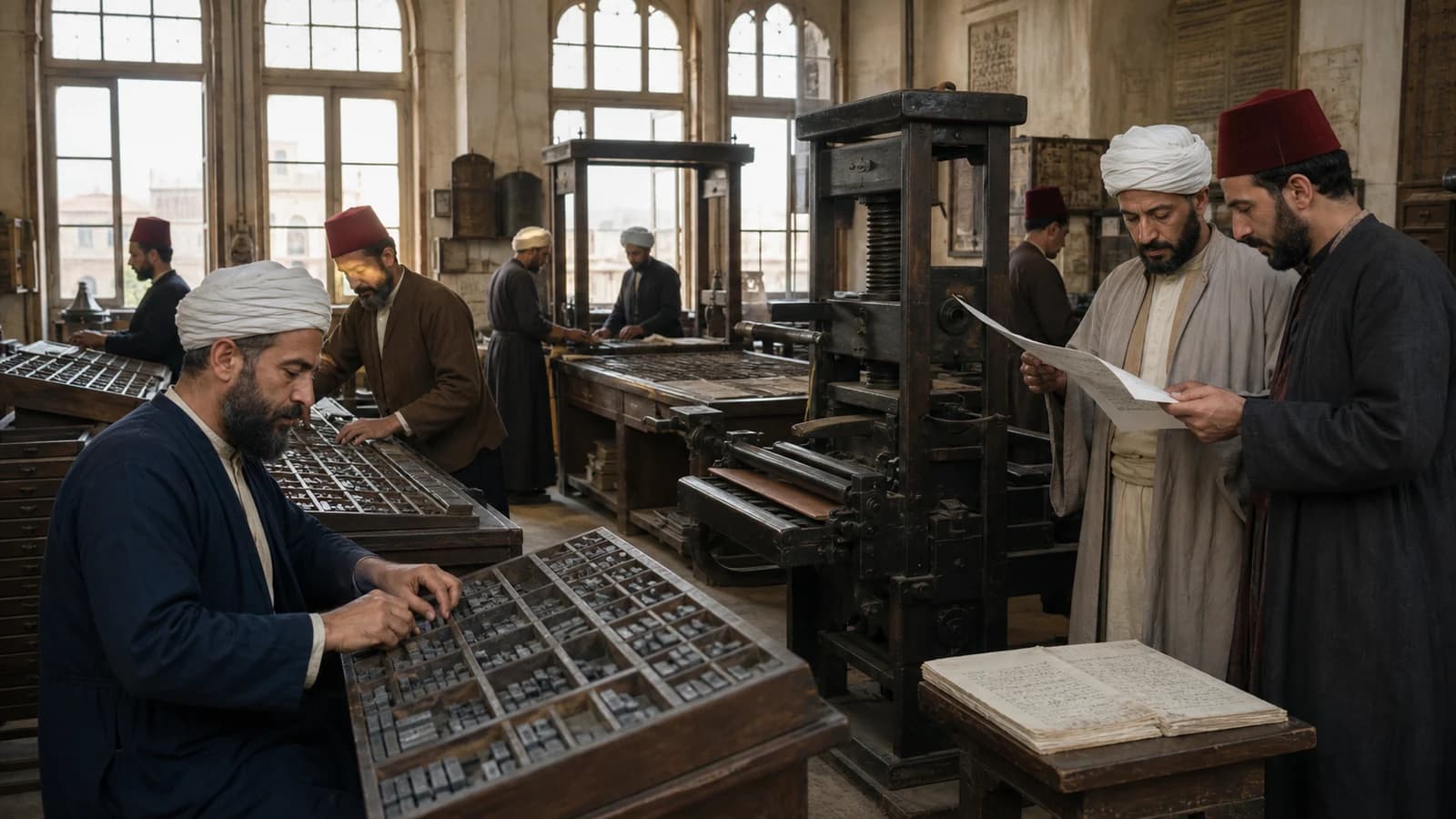
Bulaq Press and the Transformation of Arabic Print
How Egypt's Bulaq Press organized type, translation and state publishing, and why Arabic print history began before this influential nineteenth-century press.