Features & Perspectives
Long-form analysis on geopolitics, media framing, policy tradeoffs, and social impact.
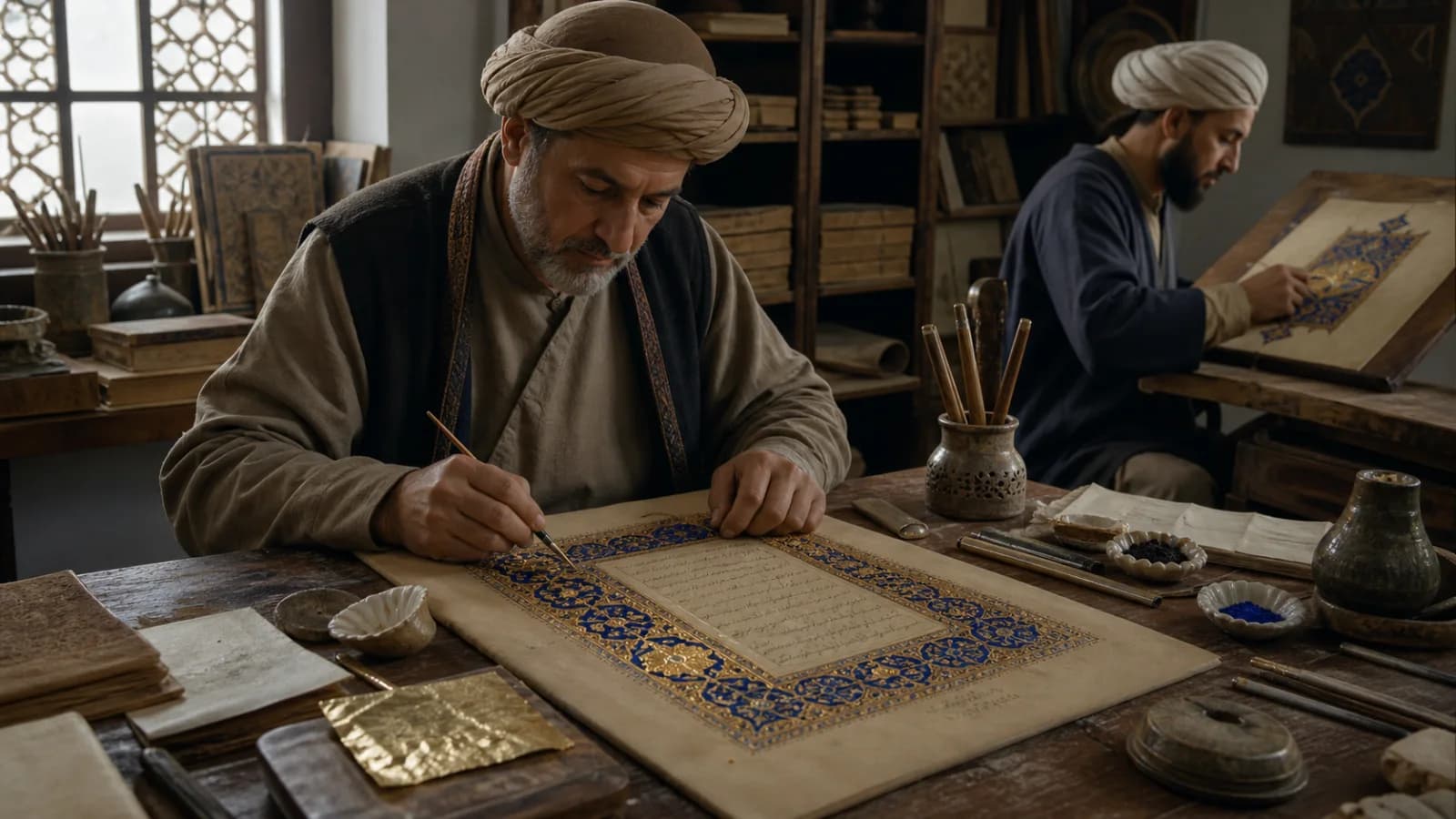
Qur’an Illumination: How Gold and Geometry Guided the Reader
How illuminators used gold, pigments, geometry, vegetal forms, headings and marginal signs to structure Qur’an manuscripts as well as beautify them.
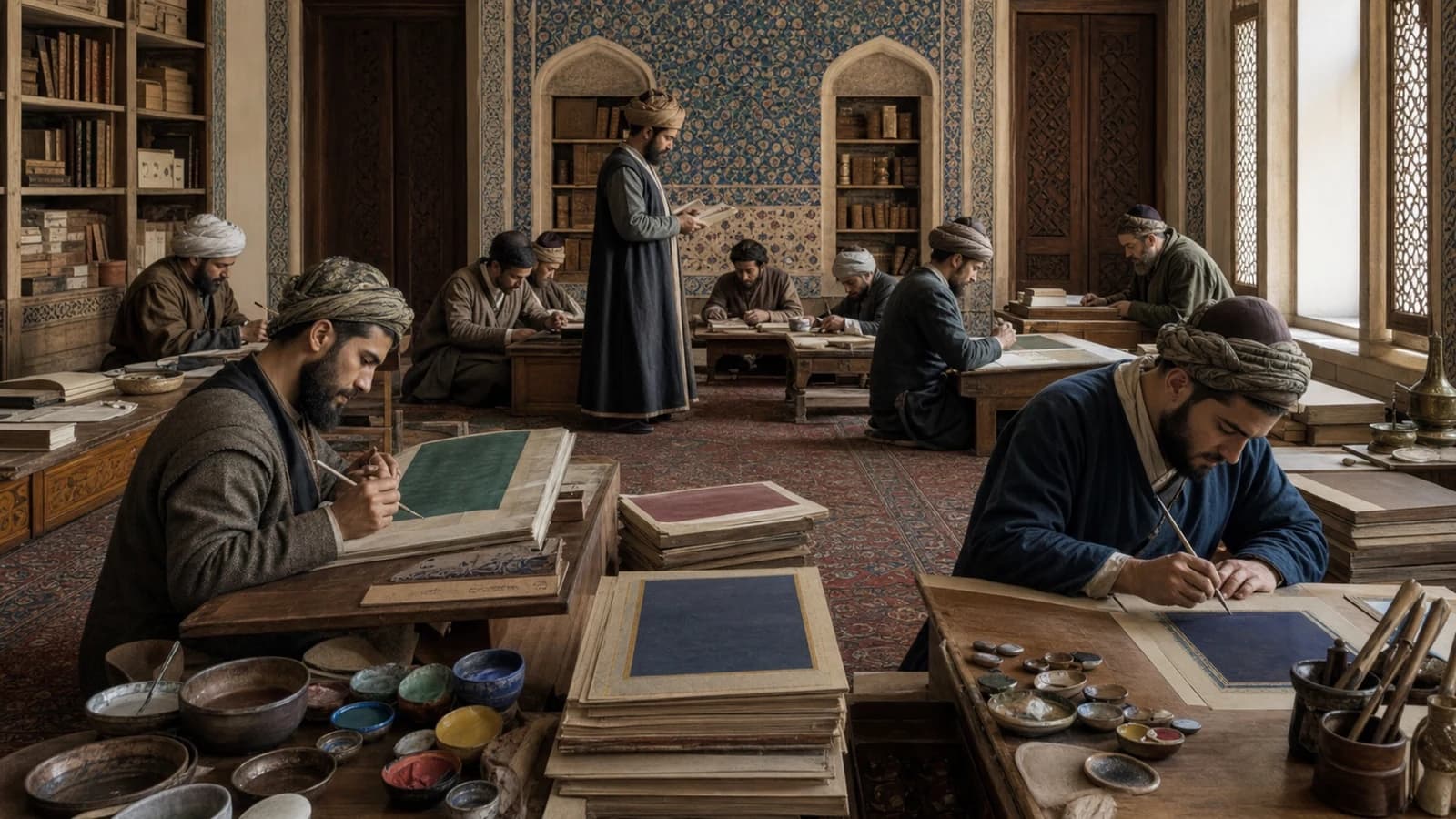
Siyer-i Nebi: An Ottoman Illustrated Life in Six Volumes
How Murad III's workshop turned a fourteenth-century Turkish prophetic biography into a vast illustrated manuscript—and how museums should frame its images.
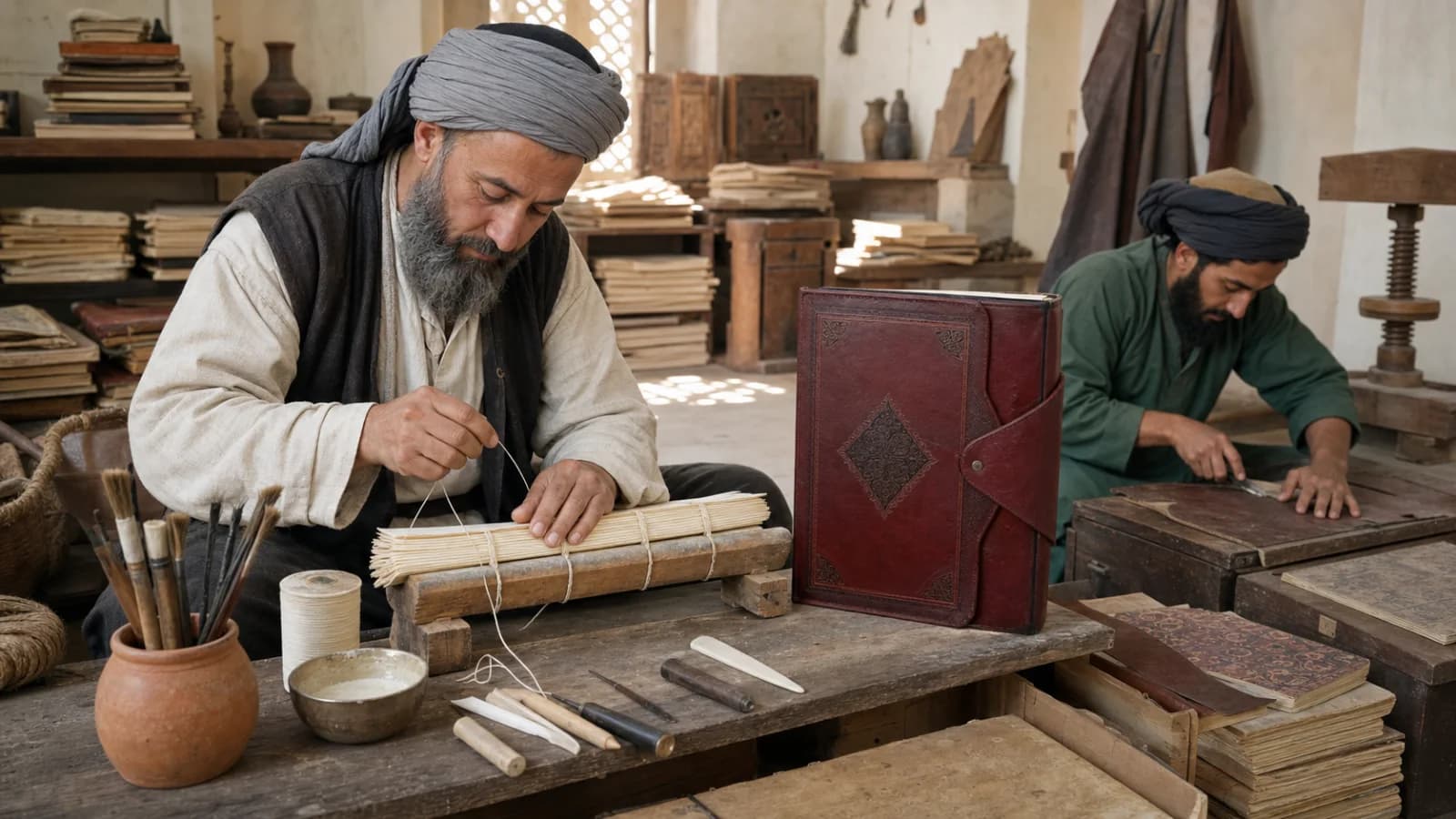
Islamic Bookbinding: From Sewn Quires to Tooled Leather Covers
How binders folded and sewed quires, attached boards, covered books in leather and used tooling, doublures and envelope flaps to protect manuscripts.
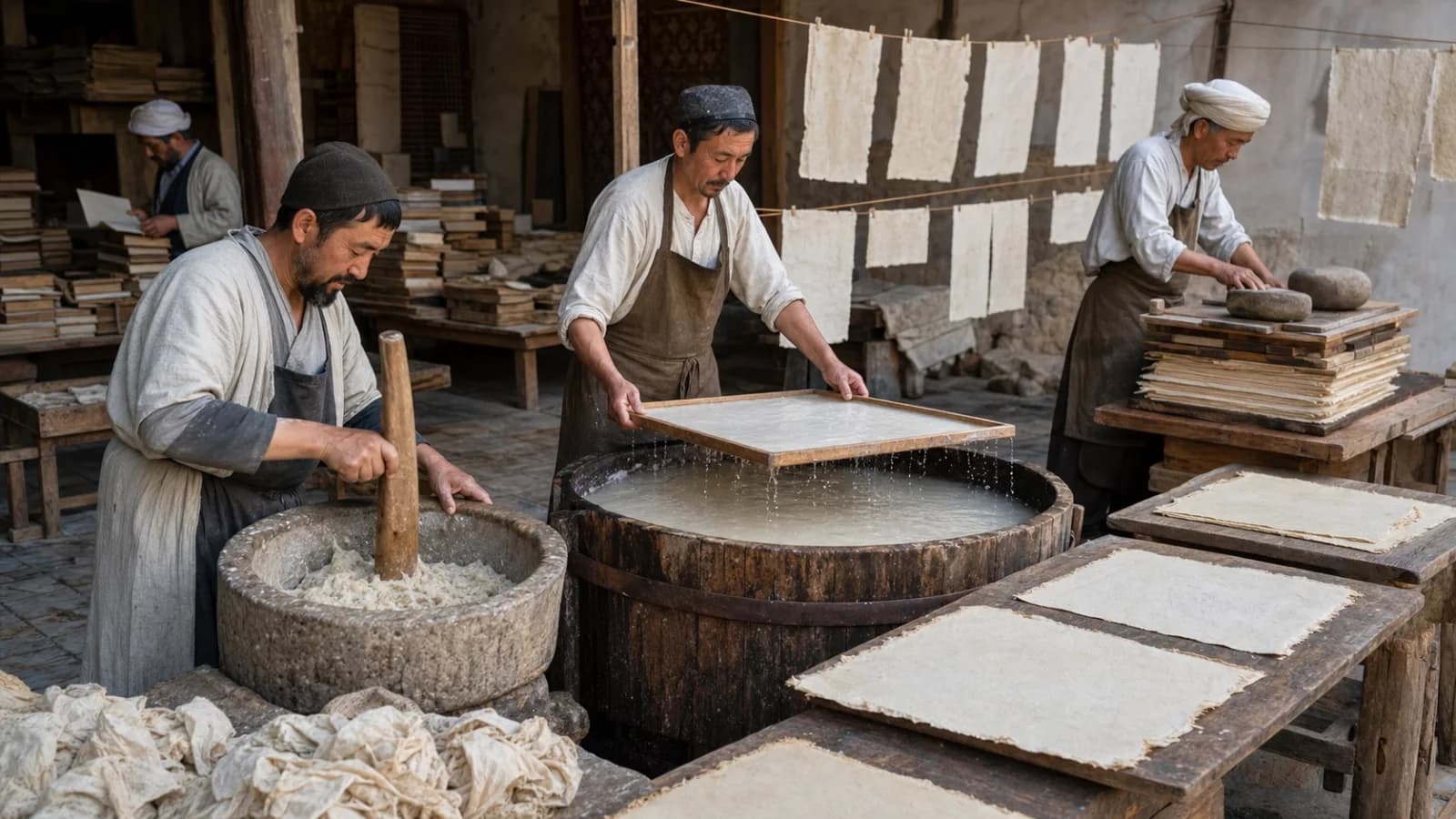
From Samarkand to Baghdad: How Papermaking Reshaped Book Culture
How fiber preparation, sheet forming, pressing and sizing enabled production—and why paper’s spread through Central Asia and Baghdad was not one simple event.
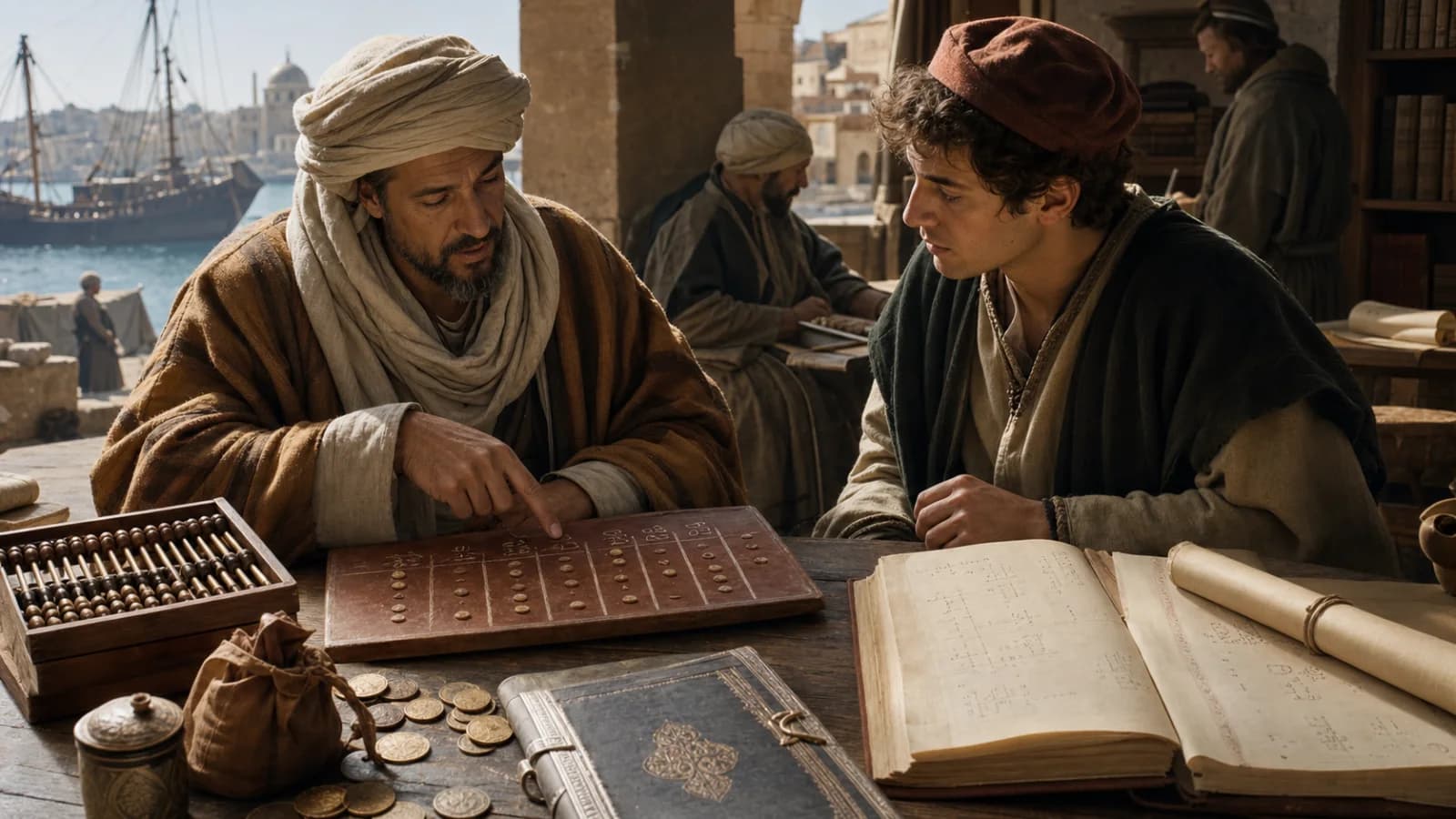
Why Arabic Numerals Began in India and Reached Europe Through Arabic Scholarship
Trace the Indian place-value system and zero through Arabic scholarship, al-Khwarizmi's arithmetic, early European evidence and Fibonacci, with the limits of each source clear.
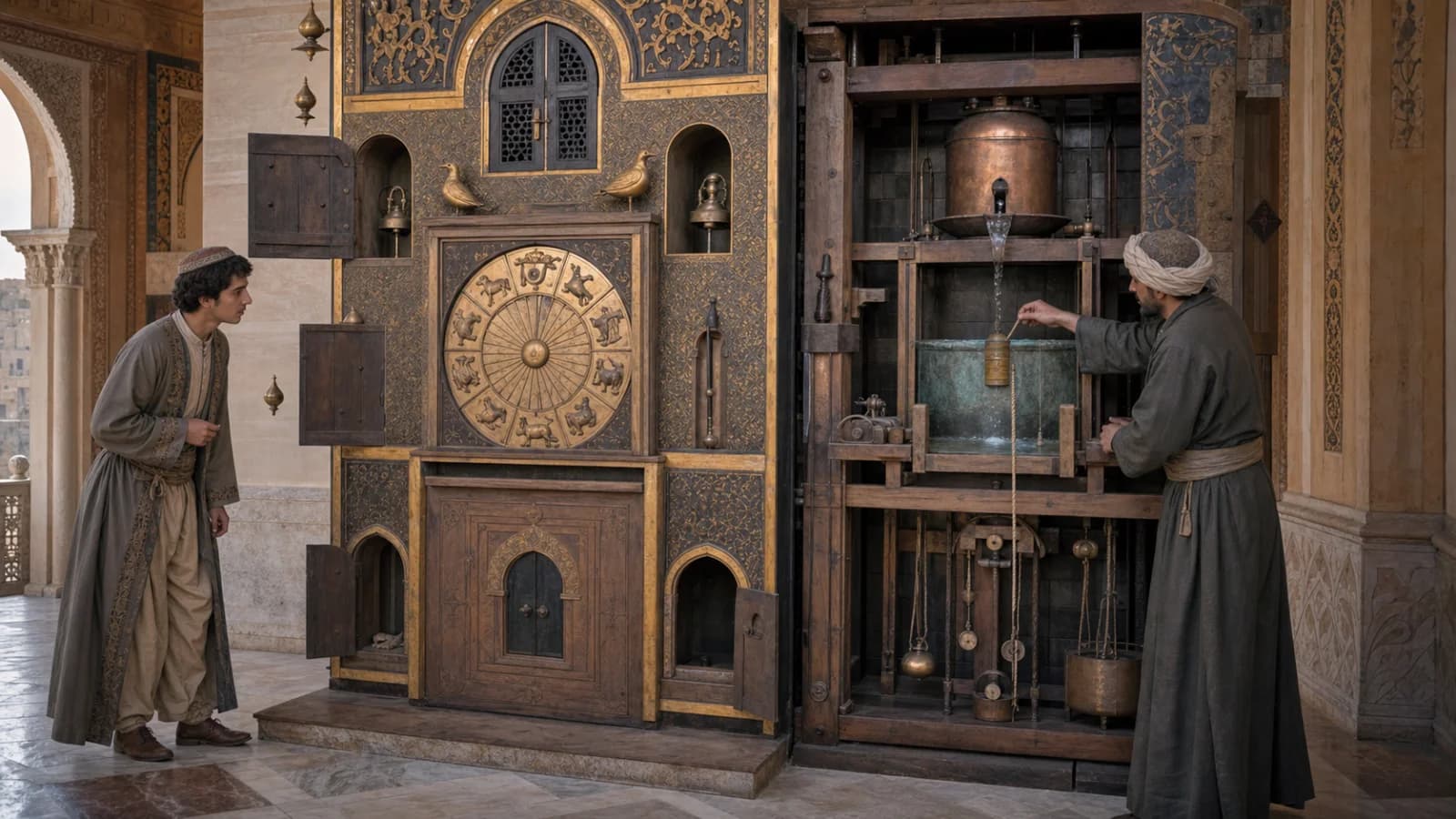
How Medieval Water Clocks Turned Flow into Time
How reservoirs, regulated outlets, floats, cords and counterweights made medieval water clocks display hours through moving figures, sounds and dials.
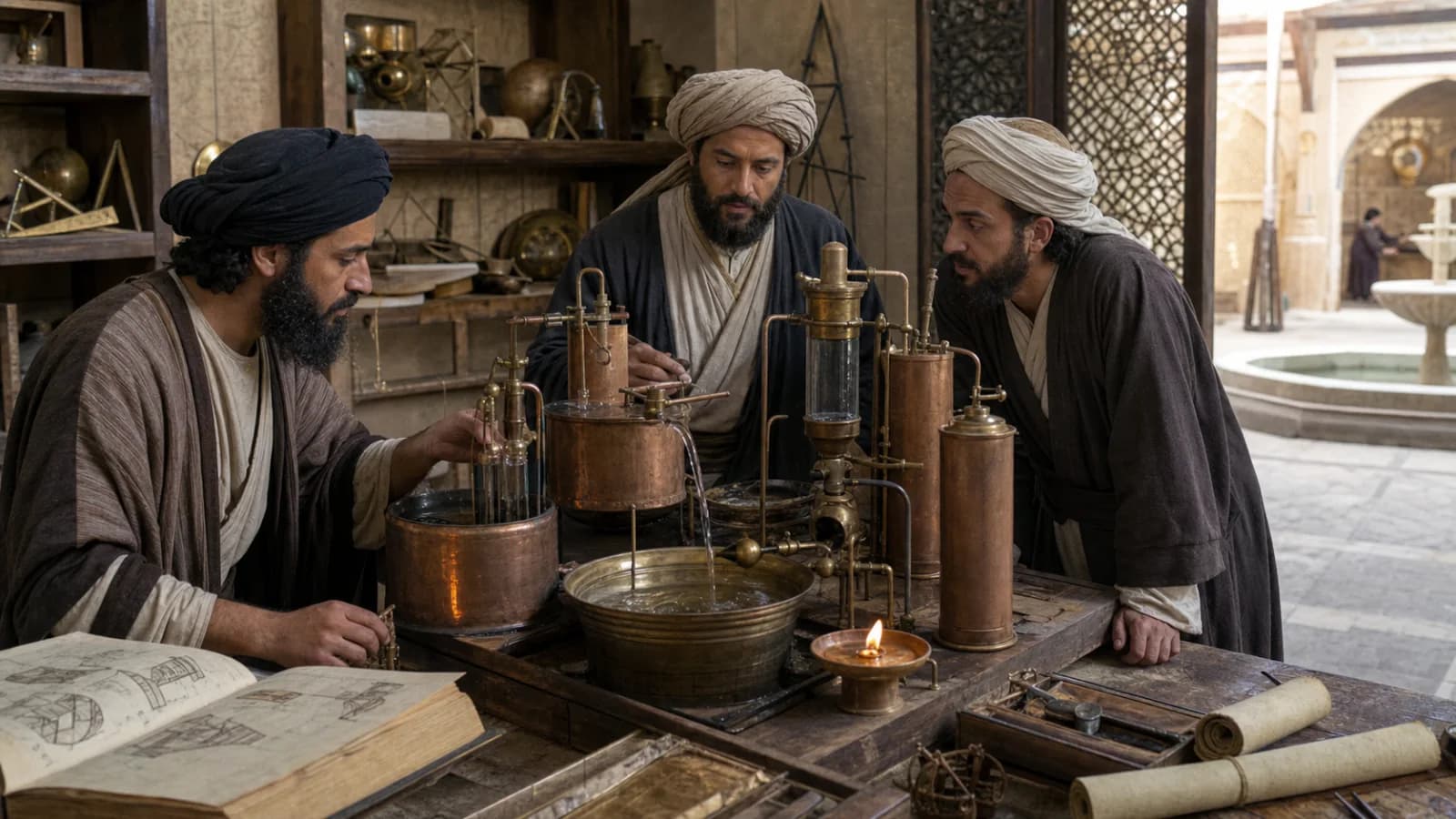
The Banu Musa’s Ingenious Devices: Water, Valves and Automatic Control
Inside the Banu Musa brothers’ ninth-century Book of Ingenious Devices: self-regulating vessels, clever valves, changing fountains and the logic behind them.
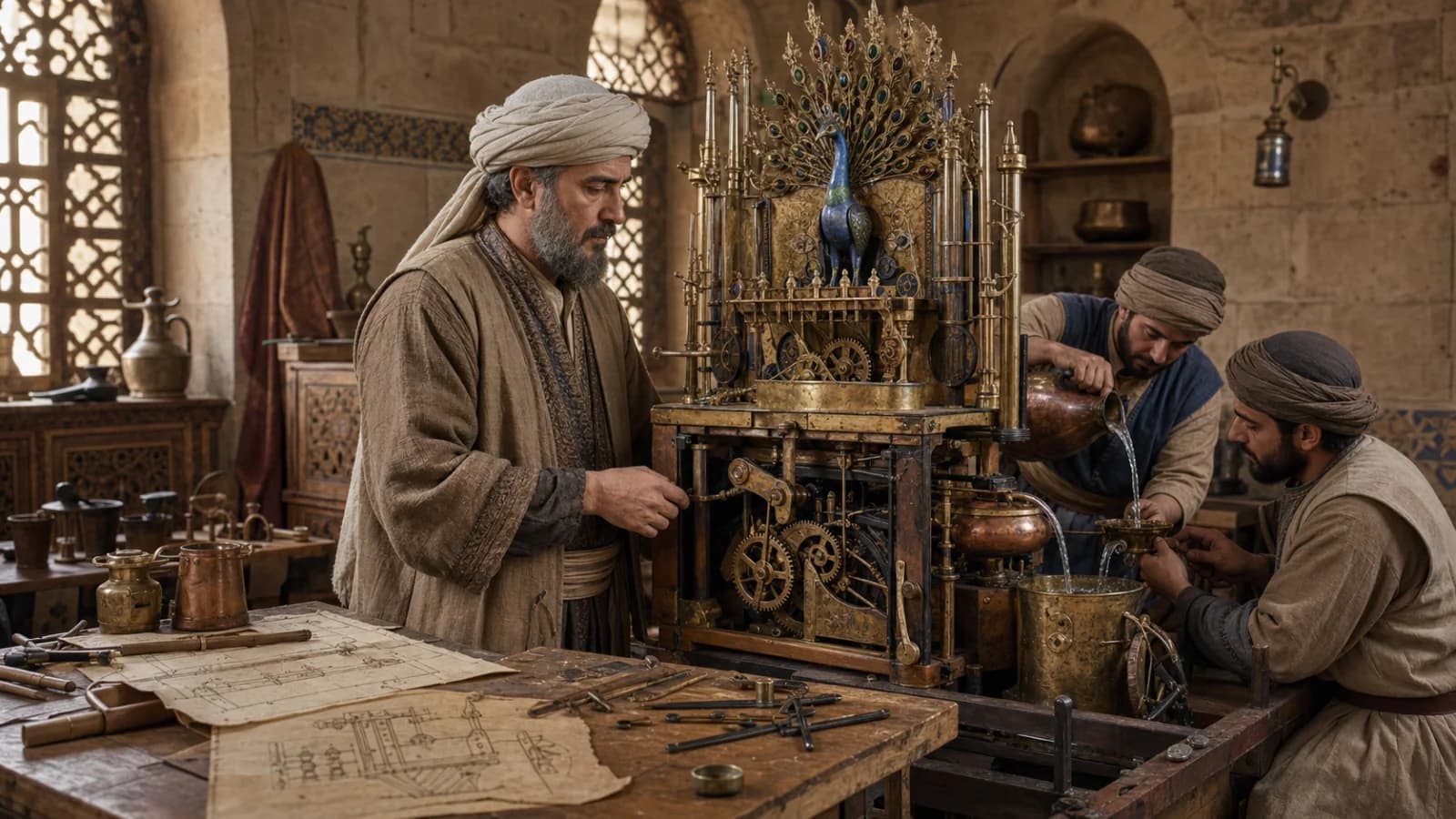
Al-Jazari’s Machines: Clocks, Pumps and the Art of Reliable Motion
How al-Jazari turned water, floats, siphons and staged mechanisms into clocks, pumps and automata—and what his illustrated treatise actually preserves.
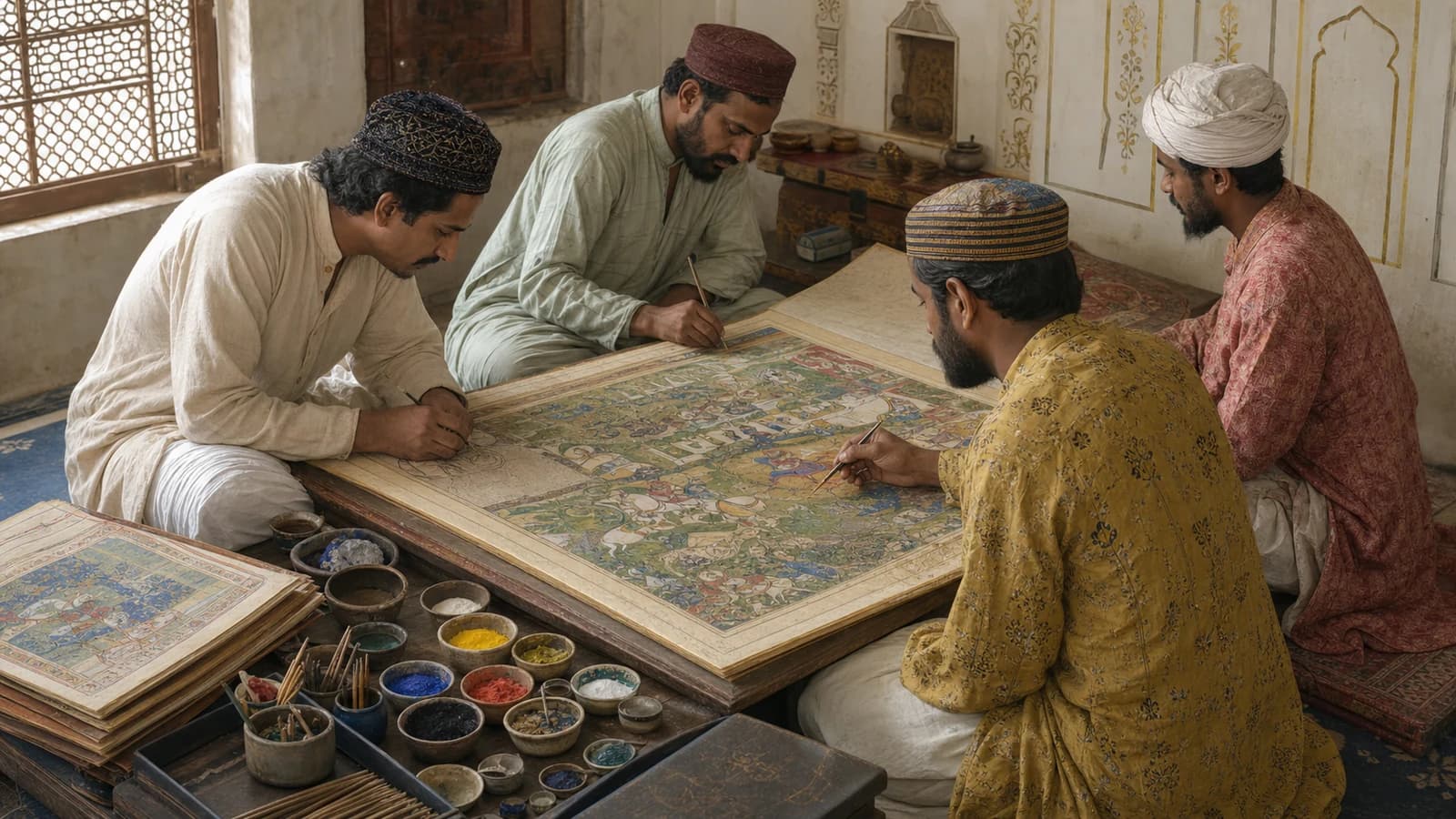
How Akbar's Hamzanama became a 1,400-painting manuscript
What Akbar's Hamzanama depicted, how its unusually large paintings were made, why museum dates and surviving-folio counts differ, and what individual leaves can prove.
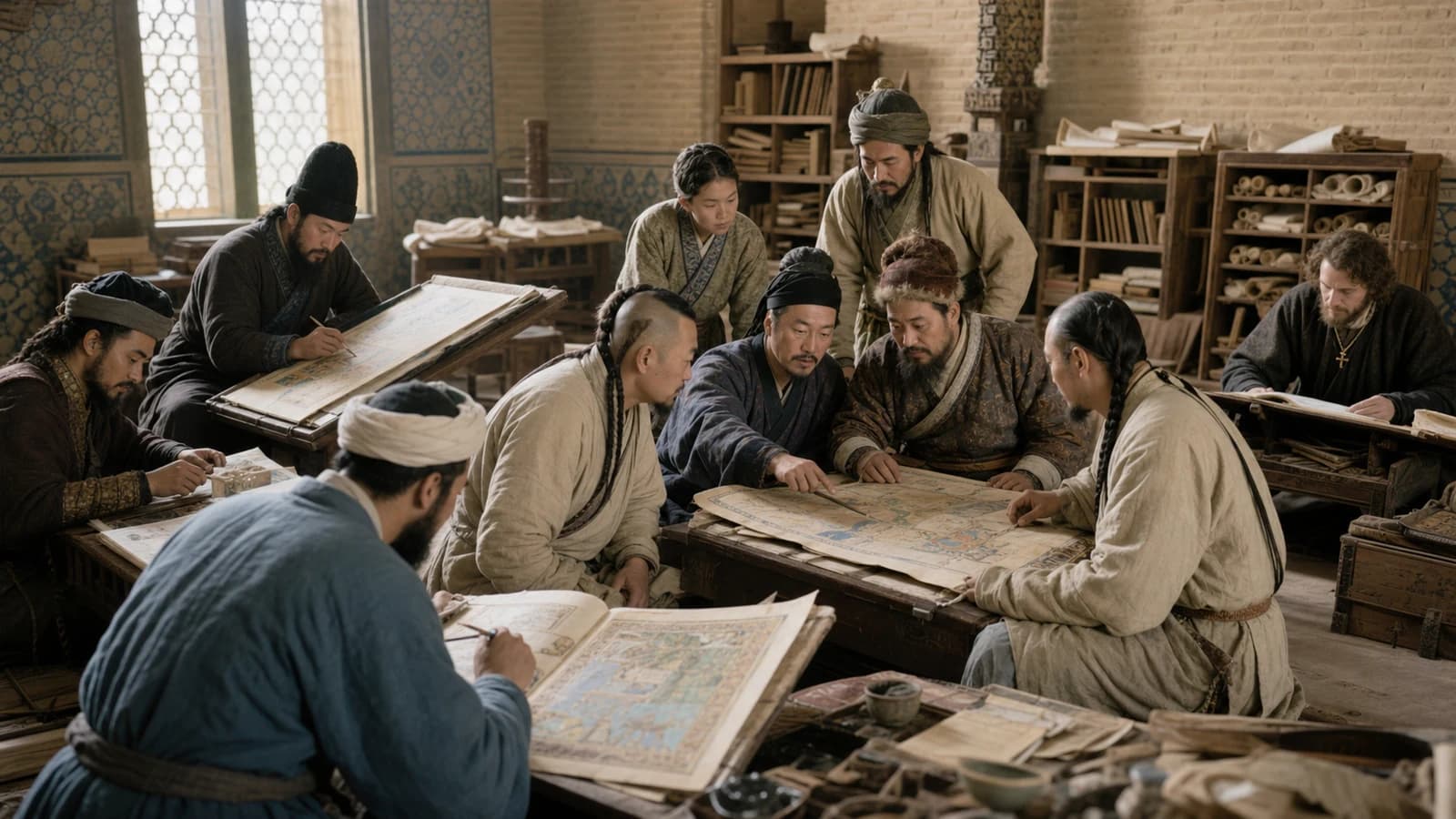
Jami al-Tawarikh: Making a World History in Tabriz
How Rashid al-Din's team assembled sources about Mongols and distant peoples, translated the work and built an illustrated history for an Ilkhanid court.
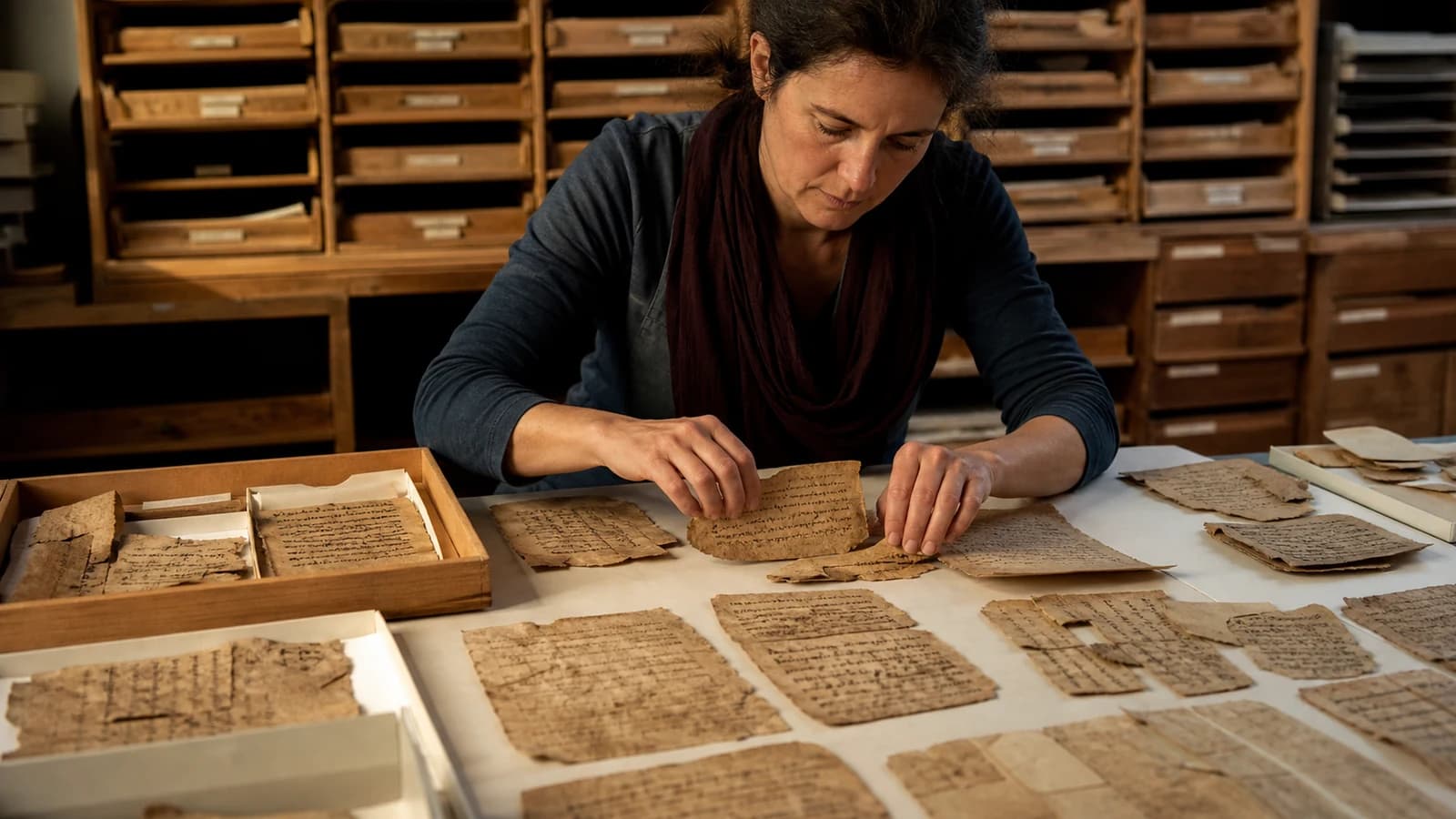
Cairo Geniza: Letters and Contracts from Mediterranean Life
How discarded writings from a synagogue storeroom illuminate trade, family and law, what Judeo-Arabic means, and why fragments require reconstruction.
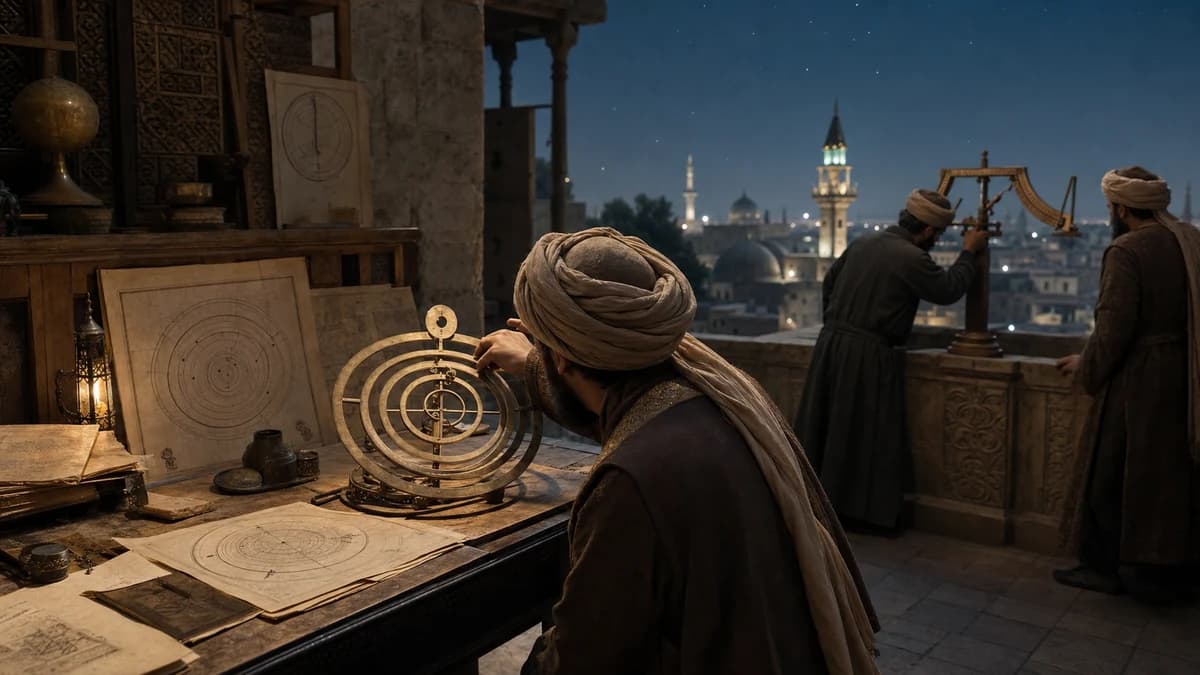
Ibn al-Shatir’s Planetary Model: Reforming Ptolemy in Damascus
How Ibn al-Shatir redesigned lunar and planetary models with linked circular motions, removed the Ptolemaic equant and improved physical consistency.