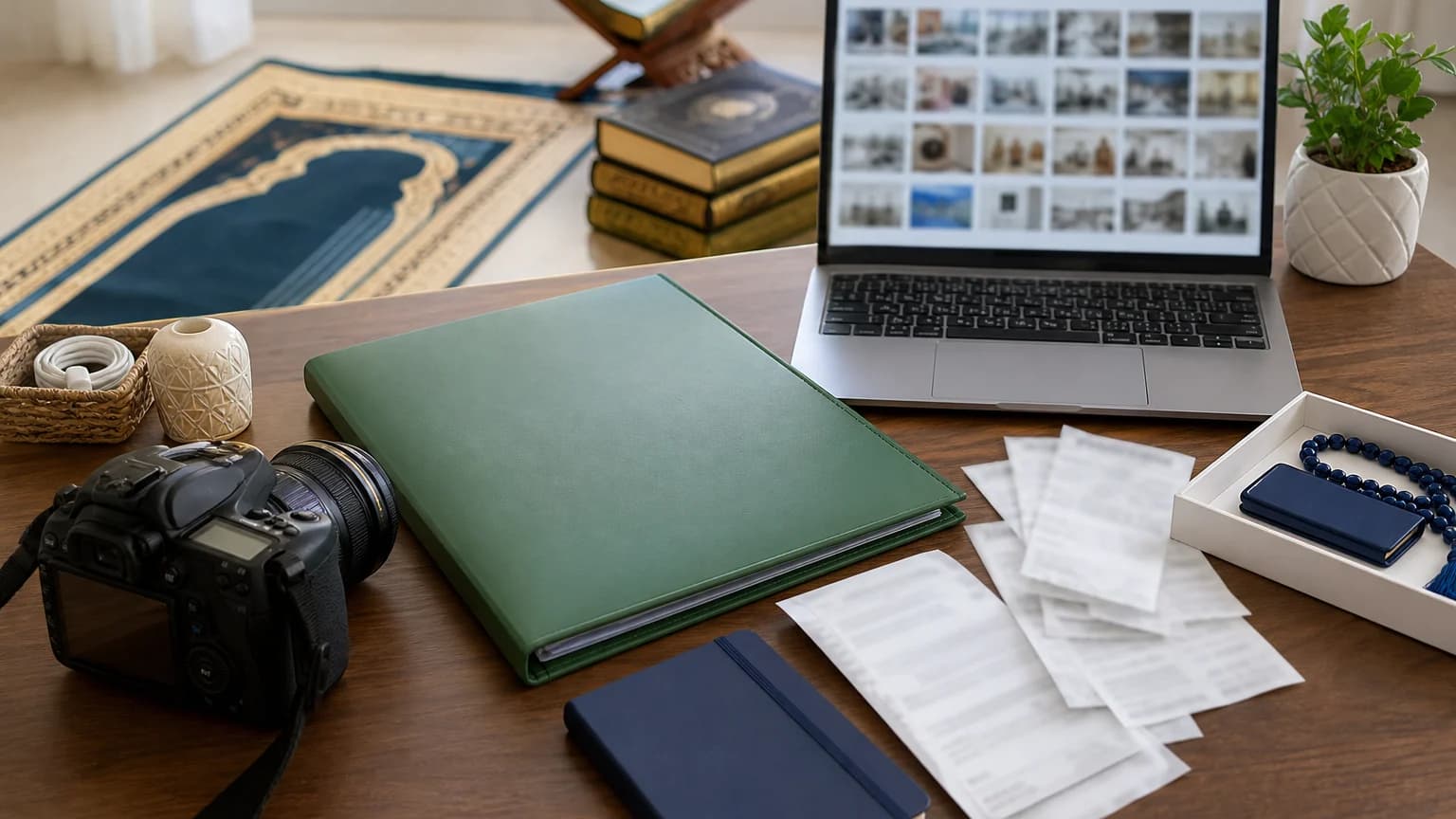
Muslim Home Inventory and Insurance Claim Checklist for Photos Receipts and Prayer
A practical Muslim home inventory and insurance claim checklist covering photos, receipts, policy numbers, emergency documents, FEMA inspection notes, claim payments, prayer and privacy.
A Muslim home inventory and insurance claim checklist should make loss less chaotic before anything breaks, burns, floods or disappears. A good file may include room-by-room photos, videos, receipts, serial numbers, appliance records, jewelry or electronics records, policy numbers, agent contact, emergency documents, FEMA inspection notes, claim numbers, adjuster messages, repair estimates and payment records. Muslim households may also need to preserve Qurans and Islamic books, prayer rugs, modest clothing, halal kitchen supplies, family heirlooms, zakat records and privacy around what was lost.
Use this with the Muslim disaster recovery checklist after a major event, with the Muslim emergency preparedness kit before one, and with the Muslim tenant repair request checklist when rental housing damage is involved. This guide is not insurance, legal, financial, FEMA, disaster recovery, repair or religious advice. It is a document organizer for protecting household evidence.
The sources set the recovery map. Ready.gov property documentation material keeps insurance readiness visible. FEMA home inspection material keeps post-disaster inspection notes in the file. NAIC home inventory and homeowners claim material keeps photos, lists and claim communication organized. CFPB claim-payment material keeps payout structure visible. The Muslim layer adds prayer planning, halal household needs, family amanah, religious-item respect and privacy around loss.
Make the inventory before memory has to work under stress
The first page should list the policyholder, address, insurer, policy number, agent, emergency contact, mortgage or landlord contact, safe storage location and backup person who knows where the file is. Then walk room by room: wide photos, close-up photos of valuables, receipts if available, serial numbers, model numbers, purchase dates and estimated values. A video walkthrough with calm narration can help later, but it should not replace written labels for high-value items.
- Policy file: insurer, policy number, agent, deductible, coverage notes, mortgage or landlord contact and emergency phone numbers.
- Inventory file: room photos, videos, receipts, serial numbers, warranties, jewelry or electronics records, religious books and family heirlooms.
- Loss file: date, cause, damage photos, temporary repairs, receipts, shelter costs, FEMA inspection notes, adjuster messages and claim number.
- Payment file: estimates, invoices, claim payments, mortgage company involvement, contractor payments, bank deposits and remaining disputes.
- Muslim household notes: Qurans and Islamic books, prayer rugs, modest clothing, halal kitchen items, zakat records, family privacy and prayer space.
Religious and family items deserve clear labels without dramatizing the claim. If Qurans, Islamic books, prayer rugs, abayas, thobes, children’s Arabic books, Ramadan supplies or family heirlooms were damaged, write what they are, where they were, photos if safe and whether replacement is possible. A claim file should be honest and specific; grief does not need exaggeration to be real.
After a loss, separate emergency safety from claim proof
After a disaster or theft, safety comes first. Once safe, create separate tabs for emergency shelter, insurance claim, FEMA or disaster assistance, repairs, temporary purchases and family documents. Do not throw away damaged items until you understand what photos, inspection or adjuster review may be needed, unless safety requires it. Write every call: date, person, claim number, promise and next step.
Payment tracking matters because insurance money may not arrive as one simple household deposit. It may involve a mortgage company, contractor, replacement-cost steps, temporary living expenses or additional documentation. Keep estimates, invoices, checks, deposits and repair photos together. If a relative or masjid fund helps temporarily, record it separately so charity, loans and insurance payments do not become confused.
Keep a copy outside the home
A home inventory that burns with the home is only a memory exercise. Keep a secure digital copy and, when possible, an off-site copy with someone trustworthy. Update the file after major purchases, moves, remodeling, marriage, new baby, elder care changes or a new rental. A useful Muslim home inventory and insurance claim checklist leaves the household with property evidence ready, religious items respected, claim payments traceable and recovery steps written before panic takes over.


