AI Prompts for Halal Supply Chain Due Diligence
A source-backed explainer on ai prompts for halal supply chain due diligence, with evidence boundaries, source context and practical questions for Muslim readers.
For related context, readers can compare this article with tutorials coverage and the wider digital resistance archive. The goal is practical clarity: what happened, who is named in the sources, what remains uncertain, and what a reader should verify before repeating the claim.
What Readers Need To Know First
Turn into a practical prompt workflow for halal supply-chain due diligence with source and audit limits. The useful starting point is to separate documented facts, reported claims, and interpretation. A source-backed article can explain why the issue matters without treating every political phrase, campaign statement or social-media claim as settled evidence.
For the Muslim communities (Ummah), the concept of Halal extends far beyond the mere avoidance of prohibited ingredients in food or cosmetics. True Shariah compliance demands that business practices embody the principles of Tayyib—meaning wholesomeness, purity, and ethical integrity in every stage of production. This ethical mandate requires Muslim entrepreneurs to ensure that their supply chains are free from injustice, exploitation, and human suffering. In an interconnected global economy, modern slavery and forced labor remain severe blights on humanity, trapping an estimated 50 million people in opaque supply chains. To uphold the Islamic values of justice (Adl) and human dignity (Karamah), Muslim business owners must actively audit their operations. Fortunately, the rapid advancement of artificial intelligence (AI) offers powerful, accessible tools to help businesses identify ethical risks and ensure their supply chains align with Islamic ethical standards.
The Global Crisis of Forced Labor and the Shariah Mandate
The reality of global supply chains is often marred by severe human rights violations, including state-sponsored forced labor. A prominent and deeply concerning issue for the Muslim communities is the systematic persecution and forced labor of Uyghur Muslims in the People's Republic of China (PRC). This state-sponsored abuse represents a grave violation of Islamic principles of brotherhood, mercy, and resistance to oppression. Under Shariah, complicity in the oppression of others—even indirectly through commercial transactions—is strictly forbidden. The Uyghur Forced Labor Prevention Act (UFLPA) and enforcement actions by US Customs and Border Protection (CBP), which have stopped billions of dollars in shipments since 2022, highlight the legal and ethical risks of unmonitored sourcing. For Muslim entrepreneurs, auditing supply chains to purge any connection to such abuses is not merely a regulatory requirement, but a profound religious obligation to protect the vulnerable and stand against injustice.
Leveraging AI Tools for Supply Chain Transparency
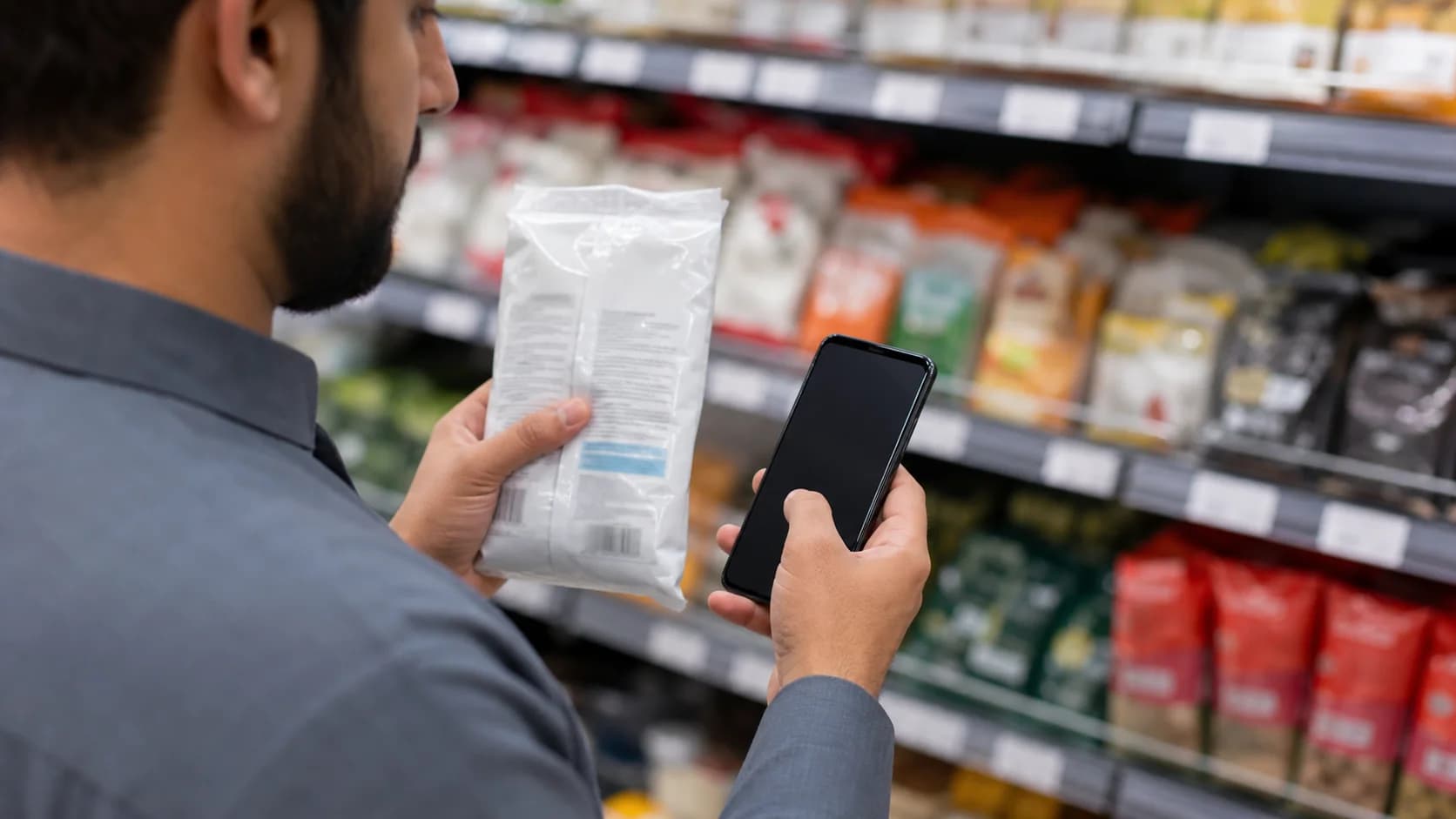
Historically, conducting detailed supply chain audits required massive compliance budgets, leaving small and medium-sized Muslim enterprises at a disadvantage. However, the emergence of regulator-grade, AI-powered tools has democratized access to important risk intelligence. A notable development is the launch of forcedlabor.ai, a free, open-access platform powered by Exiger's proprietary AI capabilities. This tool allows global citizens, companies, and NGOs to enter the name of a supplier or company to immediately detect potential links to state-sponsored forced labor, including UFLPA risks and CBP Withhold Release Orders. By utilizing such AI-driven databases, which compile billions of records, Muslim business owners can achieve unprecedented transparency. This technological leap enables even the smallest businesses to make informed, ethical decisions, ensuring that their capital does not inadvertently fund modern slavery or the persecution of fellow believers.
Integrating Global Ethical Standards with SMIIC Halal Frameworks
To build a truly ethical halal business, entrepreneurs must harmonize international labor standards with established Islamic quality frameworks. The Standards and Metrology Institute for Islamic Countries (SMIIC), an organ of the Organisation of Islamic Cooperation (OIC), plays a important role in developing unified halal standards, such as those for halal food, pharmaceuticals, and quality management systems. These standards are designed to foster a trusted, transparent, and resilient global halal ecosystem. By integrating SMIIC's guidelines with global ethical frameworks, such as the International Labour Organization (ILO) Core Labour Standards and the Ethical Trading Initiative, Muslim businesses can establish a robust code of conduct. AI can be utilized to bridge these frameworks, automatically mapping supplier data against both Islamic ethical principles and international human rights benchmarks to ensure detailed compliance.
A Step-by-Step AI Prompting Guide for Muslim Entrepreneurs
Muslim entrepreneurs can leverage generative AI and specialized compliance platforms to simplify the complex task of supply chain auditing. Specialized AI solutions, such as Worldly's Supplier Compliance Management, are designed to ingest third-party audits, custom brand assessments, and facility social and labor data, automatically mapping findings to a company's specific code of conduct. For business owners using general generative AI models, the key lies in structured prompting. An entrepreneur can prompt an AI model by instructing it to act as an expert in Shariah-compliant ethical auditing and international labor laws. The prompt should direct the AI to analyze supplier audit reports, identify high-risk indicators of forced labor—such as withheld wages, excessive overtime, or restricted movement—and evaluate these findings against the Islamic principles of fair wages and human dignity. This systematic approach allows business owners to quickly synthesize complex data and identify areas requiring immediate intervention.
Implementing Corrective Action and Upholding Public Welfare (Maslahah)
In Islamic ethics, identifying an injustice is only the first step; active remediation and the promotion of public welfare (Maslahah) are essential to complete the cycle of justice. AI-powered compliance systems assist in this phase by structuring corrective action plans and tracking remediation progress directly with suppliers. This structured governance ensures that compliance programs drive genuine, measurable improvements in workers' lives rather than remaining mere paperwork exercises. Furthermore, by utilizing converged assessment data, these AI solutions reduce the duplicative auditing burden on suppliers, who often spend hundreds of days a year understanding overlapping requirements. This allows manufacturers to redirect their resources toward meaningful programs that improve working conditions. By adopting these advanced AI tools, Muslim entrepreneurs can lead the global market in demonstrating how business can be a force for mercy, dignity, and systemic justice.
What the Sources Do and Do Not Prove
The source record for AI Prompts for Halal Supply Chain Due Diligence includes material from smiic.org, supplychainstrategy.media, worldly.io, ethicaltrade.org. Those sources are enough to explain the public issue, the institutions involved and the main claims readers are likely to search for.
They do not remove the need for caution. This article treats allegations as allegations, separates official statements from advocacy claims, and avoids turning a single report into a final legal or historical conclusion. Where the record is contested or incomplete, the safer reading is to track the source date, the named institution and the exact claim being made.
Related Reading
This page is part of a source-backed topic cluster. Start with the cluster guide for the editorial map, then use the related articles for narrower evidence and context.
- Muslim Civil Rights Incident Monitor and Source Guide
- Sharia-Free America Hearings and Anti-Muslim Politics in Congress
- Whitechapel Arson Reporting and Muslim Victim Framing
- Thorold Mecca-Facing Burials and Muslim Cemetery Accommodation