Resource
Muslim Public Transport Adab Guide
A practical Islamic guide for riding buses, trains, shared shuttles, and station spaces with patience, modest conduct, cleanliness, and care for other passengers.
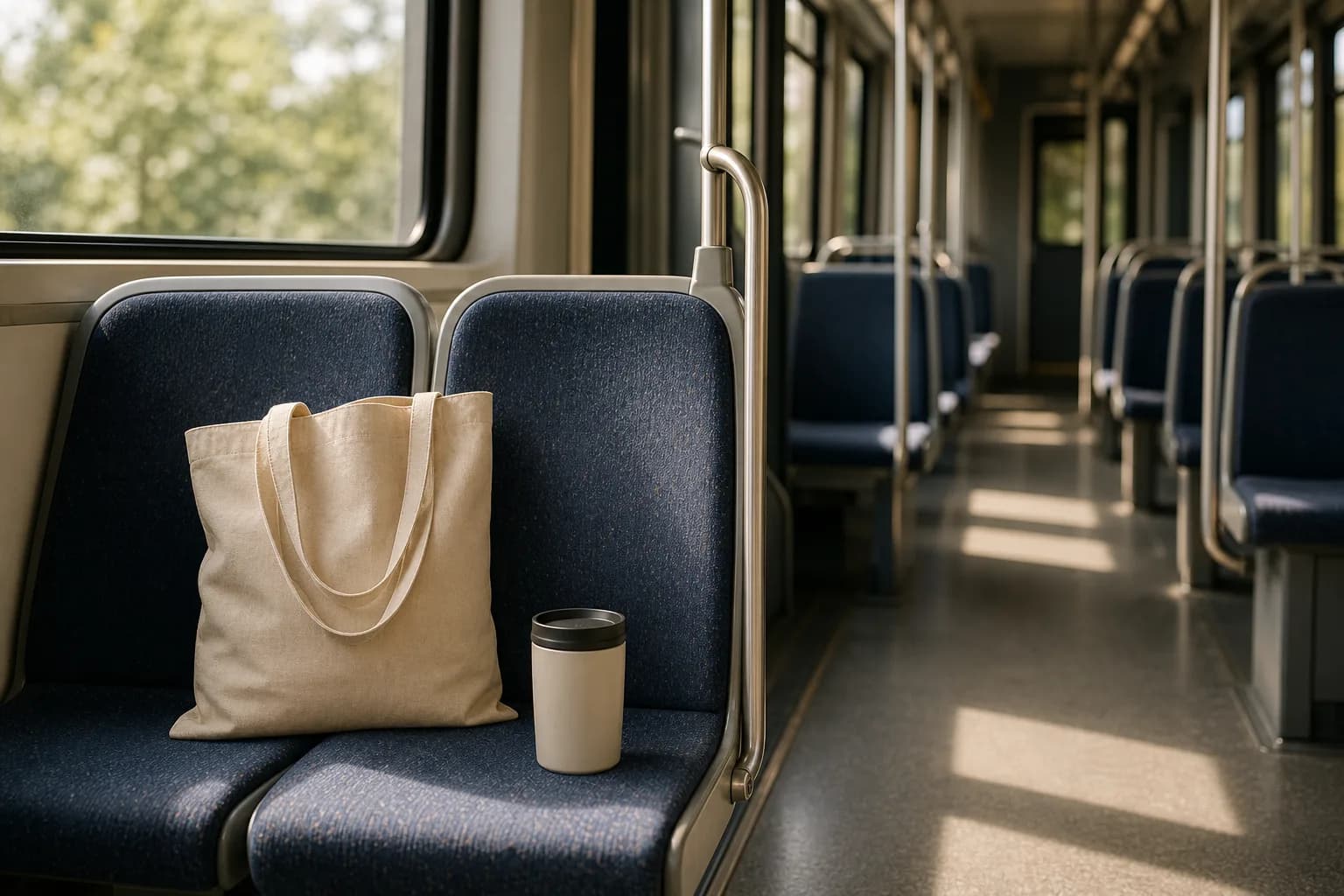
Core value
A commute is a shared trust, not a private room.
Daily habit
Lower the voice, clear the path, and leave the seat area clean.
Mercy point
Notice passengers who may need space, help, or a calmer environment.
Boundary
This is not transit safety, legal, or accessibility policy advice.
Public transport gathers strangers into a small shared space. For a Muslim, the commute is not outside adab; it is a daily test of patience, voice, cleanliness, and respect for people who may be tired, elderly, anxious, carrying children, or simply trying to reach work.
The Quran teaches measured speech, humility in walking, kindness to those near us, and cooperation in good. In a bus, train, queue, platform, or shuttle, those values become very practical: lower the voice, do not block the way, keep seats and floors clean, give space where needed, and avoid turning private frustration into public harm.
This guide is educational and does not replace transit rules, safety instructions, disability access rules, or local law. It helps a rider ask before and during the trip: am I making the shared journey easier, cleaner, safer, and calmer for the people around me?
Public Transport Adab Checklist
| Moment | Adab question | Practical response |
|---|---|---|
| Boarding | Am I pushing ahead or leaving room? | Let people exit first, keep the doorway clear, and avoid shoving. |
| Seating | Who may need this space more than me? | Offer space without making a show of it. |
| Phone or talk | Does my voice fill a space others cannot leave? | Lower calls, avoid private details, and keep audio to yourself. |
| Leaving | What do I leave behind for the next rider? | Take litter, check belongings, and avoid blocking the exit. |
FAQ
Is public transport adab only about giving up seats?
No. Giving space can be important, but adab also includes voice, cleanliness, queue patience, not blocking others, and protecting privacy in a crowded place.
What if the commute is stressful?
A stressful commute is exactly where small adab matters. Lower your voice, pause before reacting, and keep private anger from spilling onto people who did not cause it.
How can I protect privacy in a crowded vehicle?
Avoid loud private calls, do not look into other people's screens or papers, and keep sensitive messages or documents out of easy view.
Related reading
- Muslim Public Path Walking Adab Guide
Use it for station, sidewalk, and platform movement habits.
- Muslim Anger Response Conflict Pause Guide
Use it when crowding, delays, or rude behavior trigger frustration.
- Uyghur Islam: Religious Practice, Mosques and Community Life
A source-based guide to Uyghur Sunni practice, mosque life, Ramadan, shrines and the difference between lived religion, law and political claims.
Connected by community.
- How the Hijra from Mecca to Medina Unfolded in 622
A source-critical guide to the Hijra in 622: its date, Mecca-to-Medina route, cave tradition, arrival, community change, calendar epoch and common myths.
Connected by community.
- Meshrep Explained: Uyghur Community Gathering, Music and Social Practice
What Meshrep means, how music, dance, storytelling and social norms fit together, and how to read UNESCO safeguarding claims critically.
Connected by community.
- Reko Diq Copper-Gold Project: Location, Ownership, Timeline and Impacts
A dated guide to the Reko Diq project in Balochistan covering Chagai location, ownership, mine plan, financing, 2026 schedule uncertainty and environmental and community questions.
Connected by community.
- Uyghur Heritage Language for Children: Literacy and Family Guide
A research-based guide for Uyghur families and community schools covering home language, Arabic-script literacy, mixed proficiency, curriculum, assessment and child safeguarding.
Connected by community.
- Hazara Shia Muslims in Quetta: History, Community and Religious Life
A careful history of Hazara Shia Muslims in Quetta, distinguishing ethnicity, faith, citizenship and refugee status while documenting neighbourhoods, migration and insecurity.
Connected by community.
Languages
- دليل آداب العام المواصلات الأدب
- Muslim Public Transport Adab Guide
- Guía de espacio público transporte adab
- ガイド: adab
- 가이드: adab
- Guia de espaço público transporte adab
- Руководство по теме общественное пространство транспорт adab
- คู่มือ adab
- مۇسۇلمان ئاممىۋى قاتناش Adab قوللانمىسى
- 穆斯林公共交通 Adab 指南
- 指南: adab
- 指南: adab