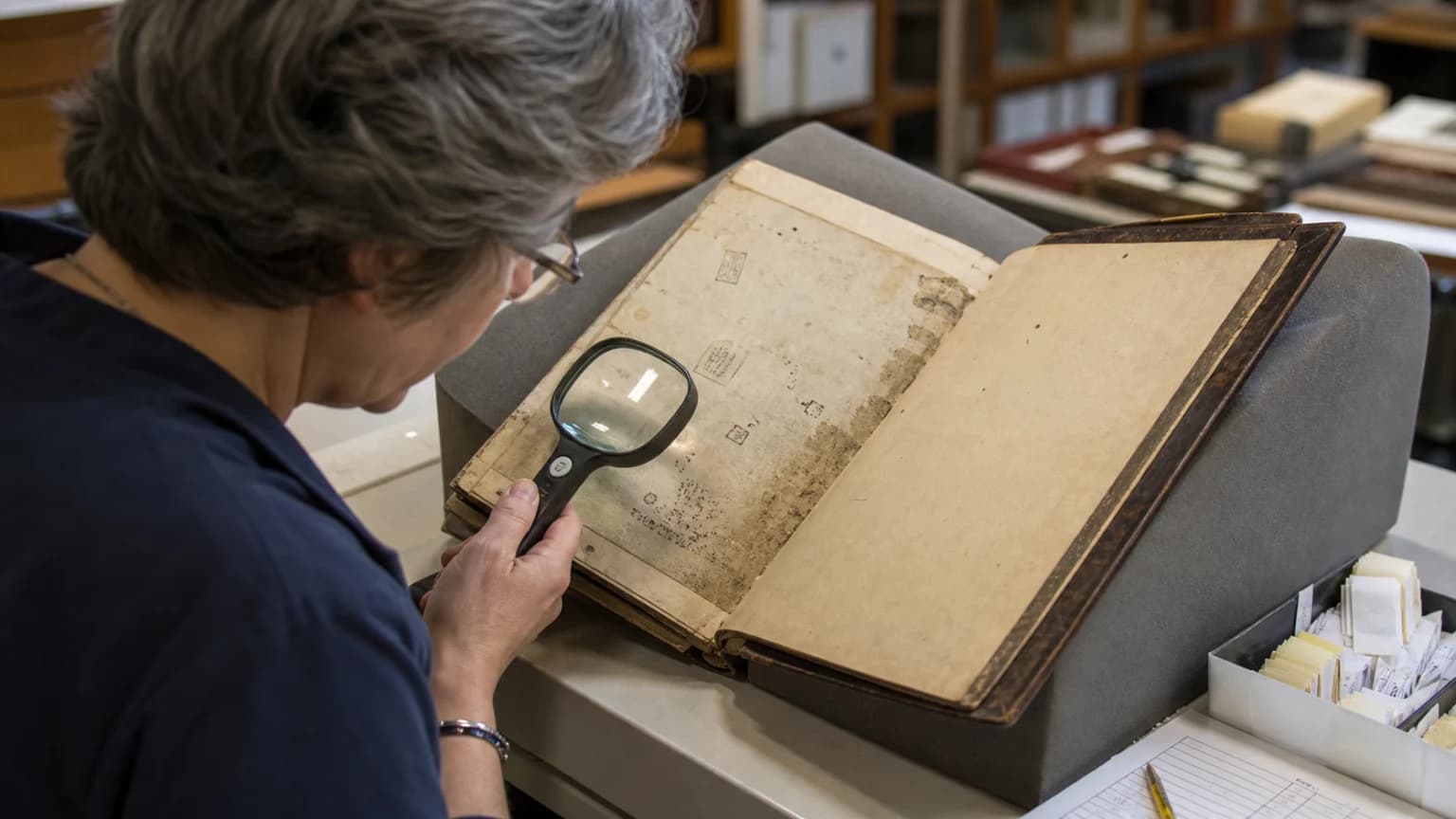
이슬람 필사본의 전래 경로: 콜로폰, 와크프 기록, 소장인, 목록
Muslim Post Editorial Desk@muslimpost
0
필사 연대, 소유, 기증, 후대 귀속을 혼동하지 않고 필사본의 역사를 증거로 재구성하는 방법입니다.
필사본의 전래 경로는 하나의 명문이 아니라 증거의 연쇄입니다. 콜로폰, 인장, 소유 기록, 와크프 선언, 판매 기록, 도서 목록은 서로 다른 시점을 기록할 수 있습니다. 각각의 주장은 종이, 먹, 제본, 소장 기관의 맥락과 함께 대조해야 합니다.
핵심 사항
- 콜로폰은 필사자, 장소, 날짜를 적을 수 있지만 없거나 후대에 추가됐을 수 있습니다.
- 인장과 소유 기록은 보관자를 보여 주지만 반드시 제작지를 뜻하지 않습니다.
- 와크프 기록은 기증 재산과 그 사용 조건을 설명합니다.
- 증거가 없는 구간을 기록하고 끊김 없는 소유 사슬을 꾸며내지 않습니다.
이 안내서 활용 방법
인물, 유물, 제도를 해당 시대와 지역의 맥락에서 읽으십시오. 논쟁이 있는 주장은 박물관 목록, 기록보관소, 학술 출판물을 우선 확인합니다.
자료 출처
아래 공개 기관 자료는 사실을 검증하고 글의 범위를 정하는 데 사용했으며 상업적 홍보를 포함하지 않습니다.
- Library of Congress: Qur'anic Fragments — Discusses colophons, ownership evidence, scripts and the risks of remounting or misattribution.
- Library of Congress: Islamic Manuscripts from Mali — Provides collection and digitization context for West African Islamic manuscripts.
- Library of Congress: Conservation of a Rumi Manuscript — Shows how material and conservation evidence contribute to manuscript understanding.
- Princeton University Library: The al-Madani Library — Provides a collection-level provenance and digitization case study.
- British Library: Middle Eastern Collections — Provides institutional context for cataloguing and access to Middle Eastern manuscripts.
- The Metropolitan Museum of Art: Paper Conservation Studio — Explains material examination and conservation evidence, including Islamic manuscript leaves.


