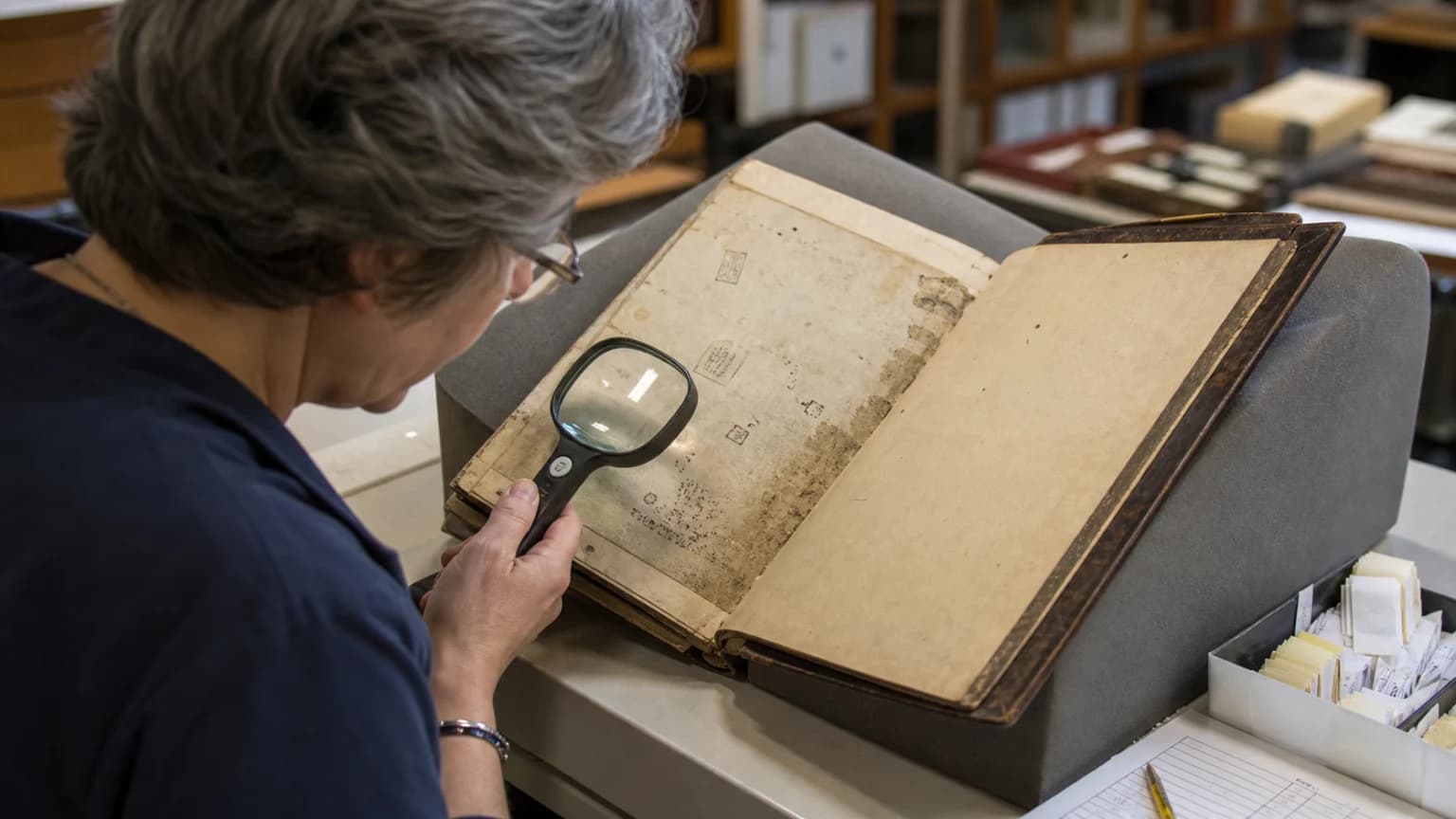
イスラム写本の来歴調査:奥書、ワクフ記録、蔵書印、目録
Muslim Post Editorial Desk@muslimpost
書写年、所有、寄進、後世の帰属を混同せず、写本がたどった履歴を証拠から再構成する方法です。
写本の来歴は、一つの銘文ではなく証拠の連鎖です。奥書、印章、所有者の書き込み、ワクフの宣言、売買記録、目録は、それぞれ異なる時点を記録することがあります。各主張は紙、墨、装丁、所蔵機関の文脈と照合しなければなりません。
重要なポイント
- 奥書は書写者、場所、日付を記すことがありますが、欠落や後世の追記もあります。
- 印章や所有記録は所持者を示しますが、必ずしも制作地を示しません。
- ワクフ記録は寄進と、その利用条件を説明します。
- 証拠の空白を明記し、連続した所有履歴を作り上げてはいけません。
このガイドの使い方
人物、資料、制度を、その時代と地域の文脈に戻して読みます。見解が分かれる場合は、美術館の目録、文書館、学術出版物を優先してください。
情報源
以下の公開機関資料は、事実の確認と記事範囲の限定に使用しました。商業的な宣伝は含みません。
- Library of Congress: Qur'anic Fragments — Discusses colophons, ownership evidence, scripts and the risks of remounting or misattribution.
- Library of Congress: Islamic Manuscripts from Mali — Provides collection and digitization context for West African Islamic manuscripts.
- Library of Congress: Conservation of a Rumi Manuscript — Shows how material and conservation evidence contribute to manuscript understanding.
- Princeton University Library: The al-Madani Library — Provides a collection-level provenance and digitization case study.
- British Library: Middle Eastern Collections — Provides institutional context for cataloguing and access to Middle Eastern manuscripts.
- The Metropolitan Museum of Art: Paper Conservation Studio — Explains material examination and conservation evidence, including Islamic manuscript leaves.


